You Won’t Believe What Kazan’s Cityscape Hides — I Was Speechless
Kazan isn’t just another Russian city — it’s a living canvas where minarets kiss the sky and ancient walls whisper stories. I walked its streets expecting history, but found something deeper: a rhythm, a blend of Tatar soul and modern pulse. The cityscape? Absolutely stunning. From golden domes glowing at sunset to sleek riverside promenades, every corner feels intentional, alive. This is more than sightseeing — it’s immersion.
First Impressions: Where East Meets North in Urban Design
Arriving in Kazan by train or car, the first thing that strikes visitors is how effortlessly the city balances tradition and modernity. The skyline rises gently along the banks of the Volga River, where onion domes stand shoulder to shoulder with contemporary glass towers. This architectural harmony is not accidental; it reflects centuries of cultural convergence between Tatar and Russian identities. Unlike cities where modern development overshadows history, Kazan integrates both into a cohesive visual language. The city’s planners have embraced duality — not as a conflict, but as a defining strength.
Walking through the central districts, one notices subtle design cues that signal this fusion. Streetscapes blend ornate Islamic geometric patterns with classic Russian neoclassical facades. Metalwork on balconies echoes Tatar motifs, while public squares maintain an open, European-style layout. Even traffic flow and pedestrian zones are designed to honor both heritage and function. The result is a city that feels neither frozen in time nor overly commercialized. It breathes — expanding gently, preserving deliberately. This balance isn’t just aesthetic; it shapes how people live, move, and connect within the urban fabric.
The Volga River plays a crucial role in framing this identity. As one of Europe’s longest rivers, it has long served as a trade and cultural corridor. In Kazan, its presence is celebrated through wide embankments lined with trees, benches, and cycling paths. From these vantage points, the city reveals itself in layers — historic rooftops giving way to modern spires, all reflected in the slow-moving water. Whether viewed at dawn, when mist curls above the surface, or at dusk, when lights begin to flicker, the river offers a poetic entry into the city’s layered soul.
The Heartbeat of the City: Kremlin Square and Its Surroundings
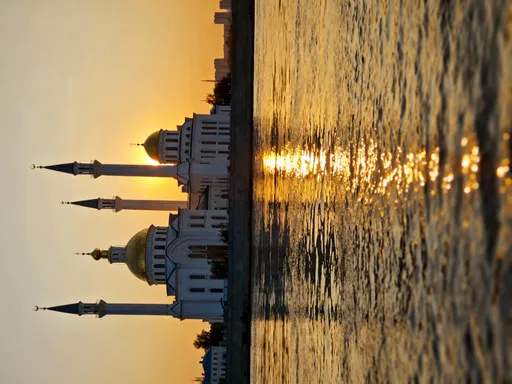
At the core of Kazan lies the Kazan Kremlin, a UNESCO World Heritage Site that stands as both fortress and symbol. Enclosed by ancient white stone walls, this compact complex houses some of the most powerful architectural statements in Russia. Here, the Qolşärif Mosque rises with serene authority, its tall minarets and blue domes adorned with crescent moons. Just steps away, the Annunciation Cathedral displays its golden onion domes, a testament to centuries of Orthodox Christian presence. Together, they represent more than religious coexistence — they embody a national narrative of unity through diversity.
What makes the Kremlin Square so compelling is not just its monuments, but how people interact with them. Locals stroll through the grounds with children, elders sit on benches reading newspapers, and students gather for quiet study beneath shaded arcades. The space functions as both sacred ground and public park. This dual role is intentional: after years of historical tension, the reconstruction of the Qolşärif Mosque in 2005 was a gesture of reconciliation and cultural revival. Today, visitors can enter both places of worship, experiencing their distinct atmospheres — the hushed elegance of the cathedral, the spacious tranquility of the mosque — without conflict or separation.
Surrounding the Kremlin, smaller plazas and walkways invite exploration. One such area, the Millən Square, often hosts cultural events, from folk music performances to seasonal markets. These gatherings reinforce the site’s role as a living center, not a museum relic. Architectural details — carved stone inscriptions, symmetrical courtyards, and thoughtful landscaping — guide movement and attention, creating a sense of order and calm. For travelers, spending time here offers more than photo opportunities; it provides insight into how history, faith, and daily life coexist in harmony.
Along the Kaban Lakes: A Modern Urban Oasis
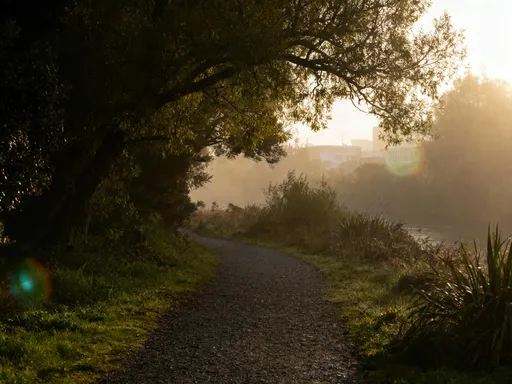
Stretching over ten kilometers through the heart of Kazan, the Kaban Lakes form a unique natural corridor that has been thoughtfully redeveloped into a green urban sanctuary. Once underutilized and partially neglected, the lakes now serve as one of the city’s most beloved public spaces. Paved promenades, native plantings, and energy-efficient lighting have transformed the shoreline into a destination for walking, jogging, and quiet reflection. Families picnic under willow trees, couples cycle hand-in-hand, and photographers capture the shimmering water at golden hour. The transformation reflects a growing global trend — prioritizing accessible nature within city limits.
What sets the Kaban Lakes apart is their integration into everyday life. Unlike formal parks that feel separate from the urban rhythm, these lakes are woven into residential neighborhoods, business districts, and transit routes. Bridges connect different sections, allowing seamless movement across the city. Along the northern shore, a series of public art installations — including sculptures inspired by Tatar folklore — add cultural depth to the experience. Lighting design plays a key role after sunset, with soft blue and white tones illuminating pathways without disrupting the natural ambiance.
Environmental sustainability has guided much of the redevelopment. Native vegetation helps stabilize the banks and supports local wildlife, while permeable paving reduces runoff. Educational signage along the trails informs visitors about the lake ecosystem, water conservation, and biodiversity. For city planners, this project serves as a model of how urban renewal can respect ecological balance while enhancing quality of life. For residents and tourists alike, it offers a peaceful retreat where the city’s pace slows, and the mind can breathe.
Bauman Street: The Pulse of Daily Life
No visit to Kazan is complete without a stroll down Bauman Street, the city’s premier pedestrian thoroughfare. Closed to vehicles, this tree-lined avenue connects the central railway station to the Kazan Kremlin, threading together key landmarks while pulsing with local energy. Street musicians play accordion melodies, vendors sell kulich (a sweet bread) and freshly roasted sunflower seeds, and children chase bubbles blown by performers. Cafés spill onto cobblestone plazas, their outdoor seating filled with people sipping tea and watching the world go by. It’s a place where time feels unhurried, and connection feels natural.
The success of Bauman Street lies in its human-scale design. Buildings rise no higher than four or five stories, ensuring sunlight reaches the ground and views remain intimate. Benches are placed at regular intervals, encouraging rest and conversation. The paving combines traditional stone with modern slip-resistant materials, balancing aesthetics and safety. Even the lighting — warm-toned lampposts spaced evenly along the route — enhances comfort and visibility at night. These seemingly small choices collectively create an environment where people want to linger, not just pass through.
Local businesses thrive here, from family-run bookshops to artisanal craft stores selling Tatar embroidery and ceramics. Seasonal markets pop up during holidays, offering handmade gifts and regional delicacies. The street also hosts cultural festivals throughout the year, including the Sabantuy celebration, which honors Tatar agricultural heritage with music, dance, and traditional games. For travelers, Bauman Street offers a genuine taste of Kazan’s spirit — warm, welcoming, and deeply rooted in community.
Hidden Corners: Off-the-Beaten-Path Views and Neighborhoods
Beyond the polished plazas and tourist trails, Kazan reveals quieter, more intimate faces. One such area is the Old Tatar Quarter, a network of narrow lanes lined with wooden houses painted in soft greens, blues, and yellows. Many of these homes date back to the 19th century, featuring carved window frames and ornate porches. Though modest in size, they radiate charm and resilience. Residents tend small front gardens, hang traditional textiles in windows, and greet neighbors with quiet warmth. Walking here feels like stepping into a different era — one where life unfolds at a gentler pace.
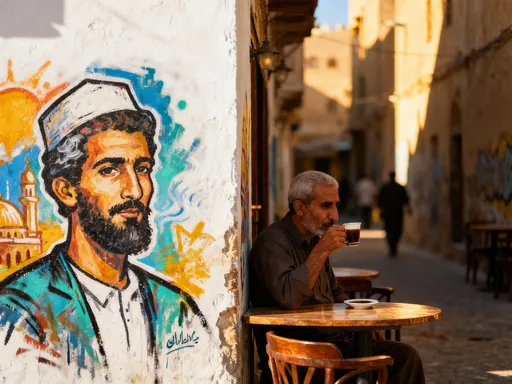
Another hidden gem is the Kirov Factory District, once home to industrial production but now repurposed into a creative hub. Abandoned warehouses have been converted into art studios, design workshops, and independent galleries. Murals cover exterior walls, blending Tatar symbols with modern street art. During weekends, pop-up exhibitions and craft fairs draw young creatives from across the city. The area retains traces of its industrial past — rusted beams, exposed brick — but now pulses with new energy. It’s a testament to how cities can reinvent themselves without erasing memory.
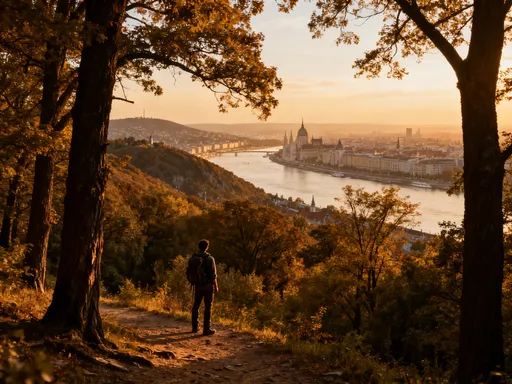
For panoramic views away from crowds, the hills near the Akademgorodok district offer stunning overlooks of the Volga and the city skyline. Few tourists make the climb, but those who do are rewarded with unobstructed vistas, especially at sunrise. Similarly, the neighborhood around the Peter and Paul Church, though less visited, features well-preserved 18th-century architecture and a peaceful cemetery turned garden. These spaces remind us that authenticity often lies just beyond the guidebook, waiting to be discovered by curious, patient travelers.
Night Lights: How Kazan Transforms After Dark
As daylight fades, Kazan undergoes a quiet metamorphosis. The city does not shut down — it illuminates. Strategic lighting brings out the textures of historic facades, highlights architectural details, and casts gentle reflections on the water. The Kazan Kremlin, bathed in soft amber light, appears almost ethereal against the night sky. The Qolşärif Mosque glows with a serene blue hue, while the Annunciation Cathedral’s domes shimmer in gold. Bridges across the Kaban Lakes pulse with color, their LED systems programmed to shift with seasons and holidays.
This lighting strategy is more than decorative; it’s symbolic. Cool tones are used near natural areas to preserve nocturnal ecosystems, while warmer lights dominate pedestrian zones to foster safety and comfort. Public squares are lit to encourage evening gatherings, and pathways are clearly marked to support nighttime mobility. The effect is a city that remains vibrant after dark, yet never feels overwhelming or garish. Unlike metropolises that blaze with neon, Kazan’s nightscapes feel curated, respectful, and poetic.
For visitors, the best vantage points include the Riviera Embankment, where the full sweep of the illuminated skyline unfolds, and the Millennium Bridge, which offers a dramatic view of the Kremlin and the lakes. Sitting on a bench with a warm drink, watching the city breathe in light, becomes a meditative experience. It’s in these moments that one truly feels connected to Kazan — not as a destination, but as a living presence.
Why Kazan’s Urban Evolution Matters — And What Travelers Can Learn
Kazan’s journey offers valuable lessons for cities worldwide. In an era of rapid urbanization, many places struggle to grow without sacrificing identity. Kazan demonstrates that progress need not erase heritage. Through careful planning, cultural respect, and community engagement, the city has evolved while maintaining its soul. Historic buildings have been preserved not as relics, but as active parts of daily life. New developments complement rather than compete with the old. Public spaces are designed for people, not just vehicles or commerce.
For travelers, Kazan invites a deeper way of seeing. It challenges the notion that tourism must be about ticking off landmarks. Instead, it encourages immersion — walking slowly, observing details, engaging with locals, and allowing the city’s rhythm to settle into your own. The most memorable moments often come not from guided tours, but from unplanned encounters: a shared smile with a vendor, a child’s laughter in a park, the way sunlight hits a dome at just the right angle.
Moreover, Kazan exemplifies how cultural diversity can be a source of strength, not division. The coexistence of Tatar and Russian traditions is not performative — it is lived, celebrated, and protected. This authenticity resonates with visitors, creating a sense of trust and warmth. In a world where many destinations feel increasingly homogenized, Kazan stands out as a place that knows who it is — and shares that identity with quiet confidence.
Ultimately, Kazan teaches us that the best cities are not the biggest or the busiest, but the most thoughtful. They are places where architecture tells stories, where nature is honored, and where people feel seen and welcomed. To visit Kazan is not just to see a city — it is to feel its heartbeat. And once you’ve felt it, you won’t forget it.