This Hidden Gem in Patan Will Change How You Think About Food and the Road
You know that feeling when a place just gets you? Patan, Nepal, did that to me—through my stomach. Driving into the city with no plan and zero expectations, I stumbled upon food experiences so rich in flavor and soul, I still dream about them. Forget fancy restaurants; this is about steaming momos in alleyways, golden dal bhat served with a smile, and chai that warms more than your hands. It’s not just a meal—it’s a journey. And the best part? You can drive right to it. In a world where travel often feels scripted and crowded, Patan offers something rare: authenticity, accessibility, and the quiet magic of eating where locals eat, all within reach of a simple road trip.
Why Patan? The Unexpected Charm of a Cultural Crossroads
Patan, also known as Lalitpur, rests in the southern part of the Kathmandu Valley, just a short drive from the capital. While many travelers rush through or skip it entirely in favor of more prominent landmarks, those who linger discover a city pulsing with cultural depth and culinary tradition. Unlike the chaotic energy of central Kathmandu, Patan moves at a gentler pace, where ancient temples rise beside bustling market lanes and artisans still shape metal and wood using techniques passed down for generations. Its compact layout—centered around the UNESCO World Heritage site of Patan Durbar Square—makes it ideal for explorers who prefer to park and wander on foot.
What sets Patan apart is its deep-rooted Newari heritage. The Newar people, indigenous to the Kathmandu Valley, have preserved their language, festivals, and cuisine with remarkable resilience. Their food is not prepared for show; it’s woven into daily life, served in homes, courtyards, and unmarked stalls that don’t appear on any tourist map. Because Patan hasn’t been fully absorbed by mass tourism, these traditions remain intact, offering visitors a rare chance to experience Nepal beyond the postcard image. There are no themed restaurants mimicking local culture—just real people, real meals, and real moments.
For self-drivers, this authenticity becomes even more accessible. Parking near the city center is manageable compared to Kathmandu’s gridlock, and once you leave the vehicle behind, the maze of narrow alleys opens up like a living museum. You’ll pass bronze foundries where craftsmen hammer intricate designs into temple roofs, children playing near centuries-old water spouts, and grandmothers rolling dough for dumplings in open doorways. Every turn offers a new sensory invitation—incense from a temple, the sizzle of oil in a wok, the call to prayer echoing from a distant mosque. This blend of devotion, craftsmanship, and cuisine creates a rhythm that feels both timeless and deeply personal.
The city’s walkability enhances the experience. With a car parked safely nearby, travelers can explore without the pressure of catching a bus or returning to a distant hotel. You’re free to pause at a roadside chai stand, follow the scent of grilled meat down a hidden passage, or accept an unexpected invitation into a home kitchen. In Patan, food isn’t separated from culture—it is culture. And when you can move at your own pace, you begin to feel less like a visitor and more like a guest.
The Self-Driving Advantage: Freedom, Flexibility, and Finding Hidden Eateries
Driving into Patan changes the entire dynamic of travel. Instead of being funneled through guided tours or relying on unpredictable public transport, you gain control over your itinerary. The roads leading into the city are well-paved and clearly marked, with signage improving steadily in recent years. While traffic in the valley can be busy, especially during morning and evening rush hours, Patan’s outskirts remain relatively calm, making navigation straightforward even for those unfamiliar with Nepali driving customs.
One of the greatest joys of self-driving is the ability to make spontaneous decisions. You might spot a small market tucked beside a temple complex and decide to stop, or notice a cluster of people gathered around a food cart emitting fragrant smoke. Without the constraints of a fixed schedule, these moments become the heart of your journey. I remember pulling over near a riverside path where a woman was selling freshly steamed bara—lentil pancakes served with spicy chutney—from a makeshift stall. There was no sign, no menu, just a smile and a gesture to sit on the low stone wall nearby. That impromptu meal, eaten with my hands while watching the sun dip behind the hills, remains one of my most cherished travel memories.
Parking in Patan is surprisingly feasible. While the immediate vicinity of Patan Durbar Square can get congested, there are several small lots and roadside spaces on the city’s edges where vehicles can be left securely. Some guesthouses and restaurants even offer parking for guests, which means you can store your belongings and explore freely. This freedom allows for deeper immersion—no need to rush back to a tour van or calculate return times. You can linger over a second cup of tea, follow a local’s recommendation to a hidden eatery, or simply sit and observe the flow of daily life.
Moreover, having a car provides a sense of safety and comfort, especially for solo travelers or small families. It serves as a mobile base—somewhere to rest between meals, store water and snacks, or retreat if the heat becomes overwhelming. After a morning of walking through crowded alleys, returning to the quiet of your vehicle offers a moment of reflection. You can replay the flavors you’ve tasted, jot down notes, or plan your next stop without feeling rushed. In this way, the car isn’t just transportation; it’s part of the experience, enabling a slower, more intentional form of exploration.
Breakfast Like a Local: From Street Stalls to Home Kitchens
Mornings in Patan unfold with a quiet energy. As the city stirs, the scent of mustard oil and roasted cumin drifts through residential neighborhoods. Breakfast here is not a hurried affair but a ritual shared among neighbors and family. By starting your day early and driving into quieter parts of the city, you gain access to food experiences that most tourists never see. In the alleys behind Pulchowk and Jawalakhel, small vendors set up folding tables and begin preparing traditional Newari breakfasts—simple, nourishing, and deeply flavorful.
One of the most beloved morning dishes is sel roti—a ring-shaped, deep-fried bread made from rice flour and flavored with cardamom and banana. It’s crisp on the outside, soft within, and often served with a dollop of homemade yogurt or a spoonful of wild honey collected from nearby hills. I followed the golden aroma to a corner stall where an elderly woman, her hands moving with practiced ease, shaped each roti by hand and lowered it into hot oil. She didn’t speak English, but her smile said everything. As I sat on a wooden stool beside a passing stream of schoolchildren, I realized this was breakfast as it’s meant to be: unhurried, communal, and rooted in tradition.
Another staple is egg tarkari—a spiced curry made with boiled eggs, tomatoes, onions, and a blend of turmeric, cumin, and chili. Served with a side of rice or flatbread, it’s warming and satisfying, perfect for cooler mountain mornings. I found one of the best versions in a tiny kitchen tucked behind a courtyard in Sundhara, where a local family allowed me to sit at their table after seeing me peer curiously through the gate. The mother insisted I try her version, cooked in a blackened wok over a gas flame. The eggs were tender, the sauce rich without being heavy, and the warmth of the hospitality made it unforgettable.
What makes these breakfast moments special is not just the food but the context. By driving to residential areas, you step outside the tourist footprint and into the rhythm of everyday life. You hear children reciting lessons through open windows, see shopkeepers sweeping their storefronts, and watch monks in maroon robes walking silently toward morning prayers. These scenes aren’t staged for visitors—they’re real, unfiltered, and deeply grounding. And when you’re welcomed into that world, even briefly, the connection feels genuine.
Lunchtime Adventures: Momos, Dal Bhat, and the Art of Eating Slow
By midday, Patan’s food culture comes into full bloom. The air fills with the scent of simmering lentils, grilled meat, and fresh herbs. Lunch is the main meal in Nepal, and in Patan, it’s treated with reverence. This is when families gather, workers take long breaks, and the pace of life slows to match the rhythm of the meal. For self-drivers, this means the opportunity to seek out family-run eateries—small, unassuming places where food is cooked with care and served with pride.
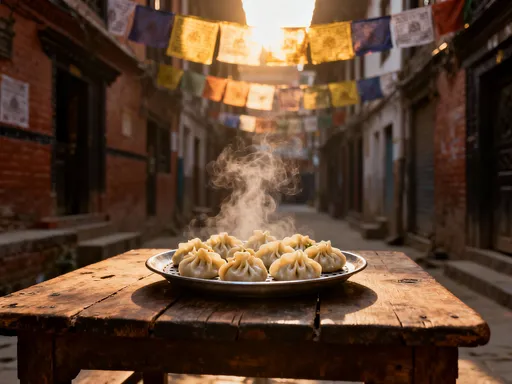
No discussion of Nepali food is complete without momos—steamed or fried dumplings filled with spiced meat or vegetables. In Patan, the best ones are handmade on-site, their delicate pleats folded by skilled hands in open kitchens. I found a particularly memorable spot tucked behind a temple in Mangal Bazaar, where a mother and daughter team worked side by side, filling and folding hundreds each day. The pork momos, served with a fiery tomato-chili dipping sauce, were tender and juicy, each bite releasing a burst of flavor. What made it special was watching the process—the precision, the care, the quiet conversation between generations.
But the true centerpiece of any Nepali lunch is dal bhat—a combination of lentil soup (dal), steamed rice (bhat), and a variety of side dishes including vegetable curries, pickles, and sometimes meat. It’s a complete meal, nutritionally balanced and deeply satisfying. In Patan, dal bhat is often served on a large metal tray called a thali, allowing you to sample a little of everything. I enjoyed mine at a small eatery near the Golden Temple, where the owner brought each dish out one by one, explaining the ingredients and their significance. The dal was golden and smooth, the rice fluffy, and the achar—a fermented radish pickle—added a sharp tang that awakened the palate.
The beauty of dal bhat lies not just in its taste but in its philosophy. It’s meant to be eaten slowly, savored, and shared. There’s no rush, no pressure to finish and leave. You can sit for an hour or more, refilling your plate as needed, engaging in conversation with fellow diners or the staff. For self-drivers, this unhurried pace is a gift. After navigating roads and exploring temples, you can settle into a meal that nourishes both body and spirit. It’s a reminder that travel isn’t just about seeing places—it’s about experiencing them, one bite at a time.
Street Food Safaris: Chasing Flavors on Four Wheels
The afternoon in Patan becomes a culinary adventure—a time to wander, taste, and discover. With your car parked nearby, you can embark on what feels like a street food safari, moving from one hidden gem to the next. This is when the city reveals its most vibrant flavors: sekuwa (marinated meat grilled over charcoal), chatamari (a thin, crepe-like rice flour pancake topped with egg and minced meat), and yomari (a sweet dumpling filled with molasses and sesame, often enjoyed during festivals).
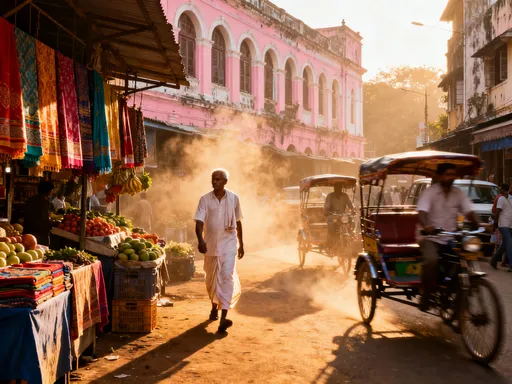
I began my exploration near the old market area, where vendors gather under faded awnings, their stalls lined with colorful spices, pickles, and fresh produce. The energy is electric—shouts in Newari, the clatter of metal bowls, the sizzle of oil in hot pans. I stopped at a small counter where a man was grilling chicken sekuwa on skewers, basting them with a mix of cumin, garlic, and mustard oil. The meat was smoky, tender, and slightly charred at the edges—a perfect balance of spice and succulence. He served it with a wedge of lemon and a side of sliced onion, and I ate it standing under the shade of a banyan tree, watching the world go by.
A short walk later, I found a woman making chatamari on a flat griddle. She spread the rice batter thin, cracked an egg over it, and sprinkled it with green chilies and cilantro. In minutes, it was ready—crispy around the edges, soft in the center, and bursting with fresh flavor. She wrapped it in paper and handed it to me with a nod. There was no menu, no price tag—just trust and tradition. These moments, fleeting yet profound, are what make street food in Patan so special. They’re not designed for Instagram; they’re made for hunger, for community, for life as it’s lived.
Having a car nearby allowed me to pace myself. After two or three stops, I could return to the vehicle, rest in the shade, sip water, and let the flavors settle before continuing. It turned the afternoon into a rhythm of discovery and reflection—a true sensory journey. I wasn’t rushing to tick off a list; I was following my curiosity, guided by scent, sight, and the kindness of strangers. And in that freedom, I found not just food, but connection.
Dinner with a View: From Courtyard Eateries to Rooftop Moments
As the sun sets behind the hills, Patan transforms. The golden light bathes the ancient temples, and the city settles into a quieter, more reflective mood. Dinner here is not just a meal—it’s an experience, often served in spaces that blend history, architecture, and hospitality. With your car safely parked, you can take your time choosing where to dine, free from the worry of last rides or closing times.
One evening, I was invited to a traditional Newari feast in a private courtyard near Patan Durbar Square. The home belonged to a local artist who occasionally hosts small gatherings for travelers interested in culture and cuisine. The meal was served on low wooden tables, with guests sitting on cushions around the perimeter. Over the course of three hours, we were presented with over a dozen dishes—spiced goat, fermented soybean curry, mustard greens, lentil dumplings, and more. Each course was explained, its ingredients and preparation rooted in centuries of tradition. The host poured aarak, a homemade spirit made from millet, and we toasted to friendship and good food.
Another night, I found a quiet rooftop restaurant overlooking the square. From that vantage point, I could see the temple spires lit against the night sky, the soft glow of butter lamps flickering in courtyards below. I ordered a simple plate of vegetable thukpa—a noodle soup with carrots, cabbage, and scallions—and sipped it slowly, watching the city breathe. The air was cool, the silence peaceful, and the moment felt suspended in time. There was no rush, no noise, just the gentle hum of a city at rest.
Dining in Patan after dark offers a different kind of intimacy. The crowds thin, the pace slows, and the food takes on a comforting quality. Whether in a bustling eatery or a quiet rooftop, the experience feels personal. And because you’re not dependent on public transport, you can stay as long as you like, savoring the meal, the view, and the company. It’s a luxury often missing in group tours or fast-paced itineraries—one that self-driving makes possible.
Beyond the Plate: How Food Connects You to People and Place
What I learned in Patan is that food is never just about nourishment. It’s a language, a bridge, a way of saying, “You are welcome here.” Every meal I shared opened a door—to conversation, to laughter, to unexpected kindness. A vendor handed me an extra momo “for the road.” A grandmother insisted I try her homemade achar. A shopkeeper invited me to join his family for tea. These gestures weren’t transactional; they were human.
By driving through Patan, I wasn’t just moving from place to place—I was choosing how deeply to engage. I could stop, listen, and respond. I could say yes to an invitation, follow a recommendation, or simply sit and watch. That control—over time, pace, and interaction—allowed for moments of genuine connection. I didn’t just eat Nepali food; I participated in it. I became part of the rhythm of the day, the flow of the city, the warmth of its people.
And that, perhaps, is the greatest gift of self-driven travel in a place like Patan. It’s not about luxury or convenience alone. It’s about agency—the ability to shape your journey, to wander without fear, and to let curiosity lead you to tables where stories are shared as freely as food. In a world that often feels rushed and disconnected, Patan reminds us that the best experiences happen slowly, one meal, one conversation, one quiet moment at a time.
The road to Patan is not long, but it leads somewhere profound. It takes you beyond sightseeing into the heart of a culture where food is love, where tradition lives in the hands of those who practice it daily, and where a simple drive can open doors you never knew existed. So pack your bag, fill your tank, and let the journey begin—not toward a destination, but toward a table set with warmth, flavor, and the quiet joy of being truly present.