Hidden Corners of Sousse: Where Shopping Meets Stunning Photo Ops
You know that feeling when a place surprises you? Sousse did exactly that. I went for the medina’s buzz, but stayed for the light-drenched alleyways, mosaic-laden courtyards, and vibrant souks that double as perfect photo backdrops. This coastal gem blends North African charm with Mediterranean ease, and every turn offers a new shot—and a new handmade treasure. If you're into authentic moments where shopping is the experience, not just a task, Sousse might just be your next must-visit.
Stepping into the Medina: A World in Itself
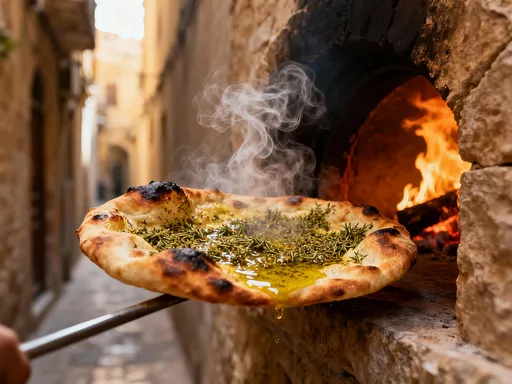
The medina of Sousse, recognized as a UNESCO World Heritage site, is more than a historic district—it’s a living, breathing world of its own. Encircled by ancient honey-colored ramparts that have stood for centuries, the medina unfolds through a labyrinth of narrow alleys, where sunlight filters through high walls in golden slivers. The moment you step inside, the air changes—warmer, spicier, alive with the scent of cumin, saffron, and freshly baked msemen. Vendors call out in Arabic and French, their voices weaving through the hum of daily life, while handwoven rugs, brass lanterns, and stacks of ceramic tagines line every available surface.
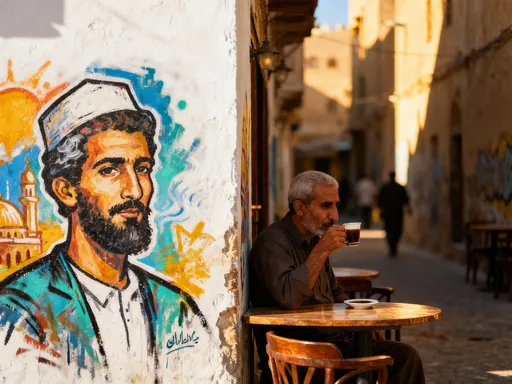
What makes the Sousse medina exceptional is not just its authenticity, but how naturally it lends itself to photography. This is not a staged tourist market; it’s a functional urban space where locals shop, socialize, and work. Every corner presents a composition waiting to be captured: a grandmother in a flowing jebba adjusting her basket of dates, a young boy balancing a tray of mint tea, or the way shadows stretch across mosaic-tiled doorways in the late afternoon. The architecture itself—arched passageways, carved cedar wood doors, and stucco walls etched with geometric patterns—offers endless opportunities for architectural photography.
For the best experience, visitors are encouraged to arrive early in the morning, ideally between 8:00 and 9:30 a.m. This is when the light is soft and directional, casting long, dramatic shadows that add depth to photos. The crowds are thinner, allowing for unobstructed shots and more intimate interactions. Street vendors are just setting up their stalls, and the atmosphere carries a quiet energy before the midday rush. A wide-angle lens can capture the full scope of the alleys, while a 50mm prime lens works beautifully for portraits and detail shots of textiles or pottery.
Photography here should always be approached with respect. While many locals are accustomed to tourists, it’s important to ask before photographing individuals, especially women and artisans at work. A smile and a simple gesture often go a long way. The goal is not just to take pictures, but to honor the culture behind them. When done thoughtfully, the medina becomes more than a backdrop—it becomes a narrative of resilience, craftsmanship, and everyday beauty.
Rue el Jeld: The Golden Lane for Art and Light
Within the heart of the medina lies Rue el Jeld, a restored stretch of Ottoman-era houses that has transformed into one of Sousse’s most photogenic streets. Once home to aristocratic families, these whitewashed buildings now host art galleries, boutique craft shops, and intimate cafés where sunlight dances across blue-tiled fountains. The street’s name, which translates to “Street of the Young,” belies its deep historical roots, but today it feels like a curated gallery of Tunisian artistry—where every doorway is a frame, and every window a vignette.
What sets Rue el Jeld apart is its deliberate preservation and aesthetic harmony. The facades are uniformly painted in crisp white with cobalt blue doors and shutters, creating a striking contrast against the warm stone of the surrounding alleys. Intricate mashrabiya screens filter the light, casting delicate lattice patterns on the ground, while hand-hammered lanterns hang above, swaying gently in the breeze. This is the ideal place to capture the softer, more poetic side of Sousse—one that blends history with contemporary creativity.
The golden hour, roughly one hour before sunset, is the most magical time to photograph Rue el Jeld. As the sun lowers, its light bathes the white walls in a warm glow, turning the blue accents into deep sapphire. The reflections on tiled courtyards amplify the sense of serenity, and the soft illumination enhances textures—wood grain, stucco, fabric—without harsh contrasts. For photographers, this is prime time for portraits, still lifes, and architectural details. A tripod or stabilized lens can help in low-light conditions, especially when shooting interiors or shaded alcoves.
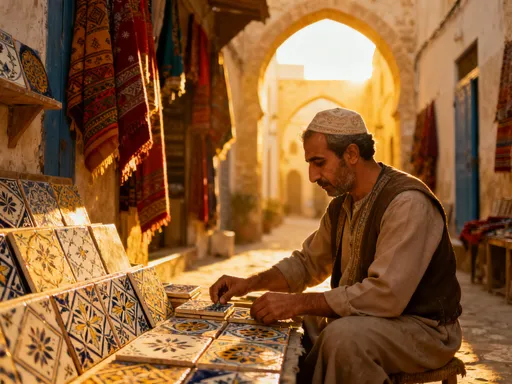
Beyond its visual appeal, Rue el Jeld is a hub for high-quality, locally made crafts. Artisans here specialize in hand-painted zellige tiles, Berber jewelry with silver and coral accents, and embroidered textiles that reflect both Amazigh and Andalusian influences. Unlike mass-produced souvenirs, these items carry the mark of the maker—each piece slightly unique, often signed or dated. Visitors are welcome to observe artisans at work, and many shops allow quiet photography as long as it doesn’t disrupt the creative process. Purchasing a small tile or a pair of earrings isn’t just a souvenir; it’s a way to carry home a fragment of this luminous street.
Souk Erbaa: The Pulse of Daily Life
If Rue el Jeld represents the polished elegance of Sousse, then Souk Erbaa is its vibrant, unfiltered heartbeat. Located just off the main medina thoroughfare, this bustling market is where locals come to buy their daily essentials—from olives and spices to leather sandals and woven baskets. Unlike sections tailored for tourists, Souk Erbaa remains largely unchanged by outside influence, offering a raw, authentic glimpse into everyday Tunisian commerce. The air is thick with the scent of cumin, dried mint, and cured leather, and the rhythm of barter fills the alleys like a steady drumbeat.
For photographers, Souk Erbaa is a goldmine of candid moments. A vendor arranges pyramids of golden turmeric and crimson paprika in wooden crates, his hands moving with practiced precision. A tailor sits cross-legged on a low stool, stitching a jebba by hand, his needle flashing in the sunlight. Women in colorful headscarves haggle over the price of figs, their voices rising and falling in animated exchange. These are not staged scenes—they are the real, unscripted life of the city, unfolding naturally and continuously.
Because of its authenticity, ethical photography is especially important here. The key is to be present without intruding. Observing first, then approaching with a smile and a gesture to ask permission, builds trust and often leads to more meaningful interactions. Many vendors are happy to be photographed if they feel respected. Some may even invite you to sit and share a glass of mint tea, offering a deeper connection to the place. A 35mm or 50mm lens is ideal for capturing these moments—close enough for detail, but not so close as to feel invasive.
For those looking to bring home more than memories, Souk Erbaa offers some of the most authentic handmade goods in the city. Leather slippers, known as balgha, are crafted on-site by cobblers who have worked in the same stall for decades. Woven palm-leaf baskets, used for carrying bread or produce, are both functional and beautiful, with natural textures that photograph exceptionally well. Spices are sold in bulk, often ground fresh upon request, and packed in simple paper wraps—perfect for gifting or personal use. Every purchase here supports local livelihoods and preserves traditional skills that might otherwise fade with time.
The Ribat and Its Panoramic Perch
Rising above the medina like a sentinel of history, the Ribat of Sousse is one of the city’s most iconic landmarks. Built in the 8th century as a defensive fortress and religious retreat, this square tower with its thick stone walls and crenellated ramparts offers one of the best panoramic views in the region. While many visitors admire it from ground level, climbing to the top transforms the experience—suddenly, the medina unfolds beneath like a living map, its rooftops and alleyways stretching toward the shimmering Mediterranean.
The view from the Ribat is not just beautiful—it’s narratively rich. From this vantage point, you can see the contrast between the ancient and the modern: the honey-colored medina walls meeting the turquoise sea, fishing boats bobbing beside modern yachts, and minarets rising alongside palm trees. It’s a powerful reminder that Sousse is not a frozen relic, but a city that has evolved while honoring its past. For photographers, this is the ideal location for wide-angle shots that capture scale and context. A 16-35mm lens works well here, allowing you to include both the fortress’s architectural details and the sweeping landscape beyond.
The best time to visit the Ribat for photography is late afternoon, when the sun begins to lower and the light turns golden. The stone glows warmly, and the shadows across the medina create depth and texture. Early morning is also excellent, especially on clear days when the sea is calm and the air is crisp. The entrance fee is modest—around 8 Tunisian dinars—and the site is well-maintained, with clear signage and shaded areas for rest. Visitors should wear comfortable shoes, as the spiral staircase can be narrow and steep, and bring water, especially in summer months.
Beyond the view, the Ribat itself is a subject worth photographing. Inside, small cells once used by Muslim warriors and scholars remain intact, their simple stone walls and arched windows evoking a sense of quiet contemplation. The central courtyard, open to the sky, features a small fountain and geometric tile work. These interior spaces offer intimate photo opportunities, especially when light streams through the high windows, illuminating dust motes and ancient stonework. The Ribat is not just a photo stop—it’s a place to reflect on the layers of history that shape Sousse’s identity.
Port of Sousse: Sunset, Sea, and Seabreeze Shopping
Just outside the medina walls, the Port of Sousse offers a different rhythm—one of leisure, light, and gentle movement. Here, the intensity of the souks gives way to open skies, sea breezes, and the soft clinking of boat rigging. The marina is lined with small stalls selling handmade jewelry, painted ceramics, and nautical-themed crafts, often created by local artists who set up shop during the evening hours. As the sun begins to dip toward the horizon, the entire area glows in golden light, making it one of the most romantic and photogenic spots in the city.
The port is ideal for lifestyle and portrait photography. Couples stroll hand in hand, children chase seagulls, and fishermen mend their nets along the dock. The reflections of boats on the water create abstract compositions, while the warm tones of sunset enhance skin tones and fabric textures. A telephoto lens can isolate distant details—a sailor adjusting a sail, a vendor lighting a lantern—while a polarizing filter helps reduce glare on the water’s surface. Because the light changes rapidly during golden hour, it’s helpful to shoot in manual mode to maintain consistent exposure.
Shopping here feels more relaxed than in the medina. Vendors are friendly and unhurried, often inviting visitors to browse without pressure. Many of the items for sale are inspired by the sea—blue and white ceramics mimicking wave patterns, silver pendants shaped like fish or anchors, and hand-stitched bags with maritime embroidery. These make thoughtful, meaningful souvenirs, especially when paired with a photo of the moment you bought them. Some artists even offer custom pieces, such as personalized name plates or hand-painted tiles with coastal scenes.
The promenade is perfect for a slow evening walk, camera in hand. Benches along the water provide resting spots, and small cafés serve mint tea and light snacks. As dusk falls, strings of lights illuminate the port, creating a magical atmosphere for night photography. A tripod or image-stabilized lens allows for longer exposures, capturing the smooth trails of boat lights on the water. The port of Sousse is not just a place to end the day—it’s a place to savor it, one frame at a time.
Beyond the Old City: Modern Malls and Hidden Courtyards
While the medina and port dominate Sousse’s charm, the Ville Nouvelle—the newer, French-influenced part of the city—offers its own quiet allure. Here, wide boulevards, colonial-era buildings, and modern boutiques create a different aesthetic, one that blends Tunisian tradition with contemporary life. For travelers seeking a change of pace, this area provides a refreshing contrast to the density of the old city, with more open spaces, tree-lined sidewalks, and a slower rhythm.
One of the most accessible shopping destinations in the Ville Nouvelle is Monoprix, a well-known North African retail chain that offers a curated selection of local and international goods. While not a traditional market, Monoprix carries high-quality Tunisian products—from olive oil and harissa to cotton robes and ceramic cookware—that make excellent gifts. The store’s clean layout and good lighting also make it an unexpected but effective place to photograph textiles and tableware in a modern setting. Other local boutiques feature work by emerging Tunisian designers, who reinterpret traditional patterns in contemporary fashion and home decor.
For more intimate photo opportunities, the hidden courtyards and cafés of the Ville Nouvelle are worth seeking out. Tucked behind unassuming doors, some of these spaces feature stunning tile work, lush greenery, and quiet fountains—perfect for capturing still lifes or reflective moments. One such café, located on Avenue Habib Bourguiba, is known for its zellige-tiled courtyard and afternoon mint tea service. The light filters through a glass roof, casting colorful patterns on the floor, creating a natural studio-like environment for photography.
These quieter spaces offer a chance to pause and reflect, away from the sensory overload of the medina. They remind visitors that beauty exists in both the bustling and the still, the ancient and the modern. By exploring beyond the old city, travelers gain a fuller understanding of Sousse—not just as a historic destination, but as a living, evolving community.
Photography and Purchase: Blending Art with Memory
In Sousse, shopping and photography are not separate activities—they are intertwined expressions of connection. Every purchase, when made with intention, becomes a tangible memory of a moment captured through the lens. A hand-painted tile bought from an artisan on Rue el Jeld is not just décor; it’s a fragment of light, color, and conversation. A leather bag from Souk Erbaa carries the imprint of the maker’s hands and the rhythm of the market. These objects are not merely souvenirs—they are stories, preserved in texture and form.
Thoughtful photography enhances this experience. When you take the time to compose a shot, to wait for the right light, to ask permission and engage with the subject, you deepen your relationship with the place. You move from observer to participant. The photos you bring home are not just images; they are testaments to moments of human connection, cultural appreciation, and mindful travel. They remind you not just of where you were, but of how you were present.
This approach encourages a slower, more intentional way of exploring. Instead of rushing from one landmark to the next, you linger. You notice the way sunlight hits a mosaic at 4:17 p.m. You remember the smell of cumin as you frame a spice stall. You recall the smile of a vendor who let you photograph his basket of dates. These sensory details enrich both your photos and your memories, creating a personal visual diary that grows more meaningful over time.
Sousse invites you to look closer, to see not just the surface, but the soul of the place. It challenges you to move beyond the postcard and capture the essence—the quiet moments, the handmade details, the interplay of light and life. When you do, your journey becomes more than a trip. It becomes a collection of moments, each one framed by respect, curiosity, and care.
Sousse isn’t just a stop on Tunisia’s coast—it’s a living canvas where every market lane, sunlit wall, and artisan’s smile invites you to look closer, shoot thoughtfully, and buy with meaning.