What I Ate in Reykjavik Will Blow Your Mind
Stepping into Reykjavik, I didn’t expect the food to steal the show. But between steaming bowls of lamb soup by the harbor and midnight hot dogs that taste like comfort, Iceland’s capital surprised me. This isn’t just about surviving on fermented shark—it’s about discovering how flavor, tradition, and creativity collide in the most unexpected ways. Come check in with me as we dive fork-first into Reykjavik’s real flavor.
First Impressions: The Cozy Heart of Reykjavik’s Food Scene
As the plane descends over jagged lava fields and glassy fjords, Reykjavik appears like a child’s drawing brought to life—rows of colorful rooftops nestled against a vast, open sky. The air is crisp, almost electric, carrying the faint scent of the sea and distant geothermal vents. Within minutes of stepping off the terminal, the city wraps you in warmth—not just from its geothermally heated sidewalks, but from its culinary spirit. Cafes with steamed-up windows beckon travelers and locals alike, their interiors glowing with soft light and the hum of quiet conversation. This is where Reykjavik’s food culture begins: not in grand dining halls, but in unassuming corners where a good cup of coffee and a homemade pastry are treated as daily rituals.
What sets Reykjavik’s food scene apart is its deep-rooted authenticity. Unlike other capitals where tourism overshadows local life, here the two coexist with balance. You’ll find no generic chain restaurants dominating the streets. Instead, small bakeries, family-run fish counters, and independent cafes thrive, each carrying generations of tradition. The cuisine is shaped by necessity—centuries of isolation, harsh winters, and volcanic soil have forced Icelanders to make the most of what the land and sea provide. This isn’t fast food; it’s food with purpose. Every bite tells a story of resilience, resourcefulness, and a quiet pride in doing things the Icelandic way.
One of the first places that captures this essence is a modest café near Hallgrímskirkja, where locals gather in the early hours with steaming mugs and well-worn books. The menu is simple: skyr, rye bread, fresh fish, and strong coffee. But the atmosphere is rich. It’s here that visitors begin to understand that food in Reykjavik is more than sustenance—it’s a form of cultural expression. The city’s culinary identity isn’t loud or flashy; it’s understated, warm, and deeply inviting. To eat here is to be welcomed into a rhythm of life that values quality, seasonality, and connection.
Breakfast Like a Local: More Than Just Coffee and Rye Bread
Mornings in Reykjavik unfold slowly, shaped by long winter nights and a culture that values rest and routine. Breakfast is not rushed—it’s a deliberate start to the day, often enjoyed at home or in a quiet corner of a neighborhood café. The foundation of most Icelandic breakfasts is skyr, a thick, protein-rich dairy product that has been part of the national diet for over a thousand years. Unlike yogurt, skyr is strained to remove excess whey, resulting in a creamy, tangy texture that pairs perfectly with wild berries, local honey, or a sprinkle of granola. It’s light yet filling, a testament to how Icelanders have mastered the art of nourishment without excess.
Equally essential is the dark rye bread, a dense, slightly sweet loaf that has sustained families through generations. Baked slowly using geothermal heat—some traditional recipes involve burying the dough near hot springs for hours—this bread is rich in flavor and history. Served warm with butter and topped with smoked trout or pickled herring, it becomes a meal that bridges land and sea. The fish, often caught just hours before, is cured using age-old methods that enhance its natural taste without overpowering it. These ingredients aren’t just food—they’re heirlooms, passed down and preserved with care.
No morning in Reykjavik is complete without coffee. Icelanders rank among the world’s top coffee consumers, and their love for the brew is evident in the city’s thriving café culture. But it’s not about trendy lattes or elaborate foam art. It’s about quality, consistency, and warmth. A cup of coffee here is a companion—something to hold while reading the paper, meeting a friend, or simply watching the light shift over the mountains. In a country where darkness lingers for months, coffee is a small but powerful source of comfort. And when paired with a cardamom bun from a local bakery—their golden crusts glistening with sugar and spice—it becomes a moment of pure, uncomplicated joy.
Lunchtime Adventures: From Seafood Shacks to Soup That Warms the Soul
By midday, Reykjavik’s food energy shifts from quiet beginnings to vibrant exploration. The city’s compact size means that fresh, flavorful meals are never far away—often just a short walk from your hotel or sightseeing spot. One of the most rewarding experiences is visiting a no-frills seafood counter tucked into a market or harbor-side stall. These unassuming spots serve some of the freshest langoustine rolls in the world, made with sweet, tender meat pulled straight from the cold North Atlantic. Served on a soft roll with a touch of mayonnaise, lemon, and fresh herbs, each bite is a celebration of simplicity and quality. There’s no need for elaborate seasoning—the ocean has already done the work.
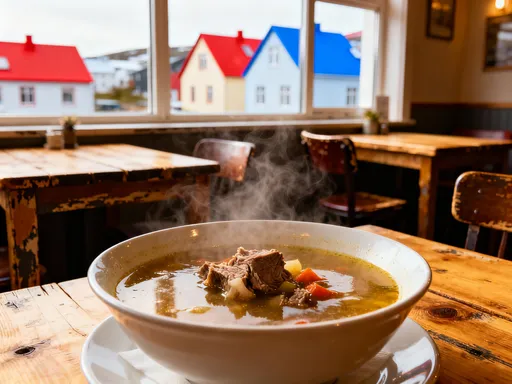
Equally iconic is the traditional lamb soup, known as kælabrúð. Found in family-run eateries, community centers, and even at flea markets, this hearty stew is a national favorite. Made with tender chunks of lamb, root vegetables, and a clear broth that carries the essence of slow-cooked meat, it’s the kind of meal that warms you from the inside out. It’s often served with dark rye bread and a side of pickled red cabbage, adding a tangy contrast to the richness of the soup. What makes kælabrúð special isn’t just its flavor—it’s its role in Icelandic life. For generations, it has been a staple at gatherings, holidays, and cold afternoons, a symbol of care and continuity.
Another defining trait of Reykjavik’s lunch culture is its commitment to sustainability and respect for ingredients. In a country where resources are limited, waste is not an option. This philosophy extends to the kitchen, where every part of the animal is used. Fish heads become soup stock, lamb bones are simmered for hours, and even offal finds its place in traditional dishes. This “nose-to-tail” approach isn’t trendy—it’s necessity turned into art. It reflects a deep connection to the land and a humility in the face of nature’s power. When you eat in Reykjavik, you’re not just consuming food—you’re participating in a centuries-old relationship between people and their environment.
The Hot Dog Phenomenon: Why Everyone Lines Up for pylsur
If there’s one food that unites tourists, locals, and world leaders alike, it’s the Icelandic hot dog—known locally as pylsur. And no visit to Reykjavik is complete without a stop at Bæjarins Beztu, a small, unmarked stand near the harbor that has been serving what many call the best hot dogs in the world since 1937. The line moves quickly, but the anticipation builds with each passing minute. The scent of grilled lamb sausage, caramelized onions, and warm bread fills the air, pulling you in like a magnet. Even former U.S. President Bill Clinton reportedly made a special trip here during a visit—proof that this humble snack transcends borders and status.
What makes the pylsur so special is its unique blend of ingredients. The sausage is made primarily from Icelandic lamb, giving it a rich, slightly gamey flavor that sets it apart from typical pork or beef dogs. It’s grilled to perfection, with a crisp outer layer that gives way to juicy, tender meat inside. The toppings are where the magic happens: crispy fried onions, raw onions, remoulade, ketchup, and a mysterious “secret sauce” that varies slightly from stand to stand. The combination is bold, balanced, and utterly addictive. Served in a soft, slightly sweet bun, it’s comfort food at its finest—simple, satisfying, and deeply rooted in local identity.
More than just a meal, the pylsur represents a cultural moment. It’s affordable, accessible, and beloved by all. You’ll see fishermen, students, businesspeople, and tourists standing side by side, each holding a paper-wrapped dog with quiet satisfaction. It’s a rare example of culinary democracy—where everyone eats the same thing, and no one feels out of place. For visitors, trying a pylsur isn’t just about taste; it’s about connection. It’s a small but meaningful way to say, “I’m here. I’m part of this, even if just for a moment.” And when you take that first bite, with the wind off the sea and the city humming around you, you’ll understand why something so simple can leave such a lasting impression.
Fine Dining in the North: Where Tradition Meets Innovation
As the sun dips below the horizon—sometimes as early as 4 p.m. in winter—Reykjavik transforms into a city of soft light and intimate dining experiences. This is where the other side of Icelandic cuisine emerges: refined, thoughtful, and deeply connected to the land. Upscale restaurants in the capital don’t chase trends; they reinterpret tradition through a modern lens. At places like Dill or Fiskmarkaðurinn, chefs craft tasting menus that read like poetry—each course a reflection of season, terrain, and heritage. Here, you might find Arctic char cured in birch smoke, skyr transformed into a delicate mousse, or wild herbs foraged from nearby lava fields.
One unforgettable evening unfolded at a restaurant with floor-to-ceiling windows overlooking the dark sea. The menu was built around terroir—the idea that food should express the taste of its origin. The first course arrived: a single oyster from the Westfjords, served on a bed of crushed ice with a drop of seaweed gel. It tasted like the ocean in its purest form—briny, clean, alive. Next came lamb, slow-cooked for hours and paired with fermented turnips and a barley crisp. The meat was so tender it melted, carrying the deep, earthy flavors of the highlands. Each dish was presented with quiet elegance, free of pretension, allowing the ingredients to speak for themselves.
What makes Reykjavik’s fine dining scene remarkable is its grounding in reality. Unlike some high-end restaurants that rely on imported luxuries, these kitchens source almost everything locally. Chefs work closely with farmers, fishermen, and foragers, building relationships that ensure quality and sustainability. The techniques may be modern—sous-vide, fermentation, dehydration—but the spirit is ancient. This is not food designed to impress; it’s food designed to honor. It’s a celebration of what Iceland has always done best: making something extraordinary from what the land provides. For diners, the experience is both luxurious and humbling—a reminder that true luxury isn’t in excess, but in intention.
Off-the-Beaten-Path Eats: Hidden Gems Beyond the Tourist Map
Beyond the well-trodden paths of Laugavegur and the Old Harbor lie quieter corners of Reykjavik where food is still an act of community. These are the places where locals go—not for photos, but for flavor. A small food truck near the industrial edge of the city serves creative takes on traditional dishes, like fermented shark sliders with dill aioli and rye toast. Yes, hákarl—the infamous cured Greenland shark—is still an acquired taste, with its strong ammonia scent and chewy texture. But when paired with bold flavors and served in bite-sized portions, it becomes less intimidating and more intriguing. It’s not about shock value; it’s about curiosity, about honoring a dish that has fed Icelanders through famine and isolation.
Another gem is a community kitchen in the Vesturbær neighborhood, where immigrant families and Icelandic elders share recipes and stories over shared meals. Here, you might find lamb soup served alongside Middle Eastern flatbreads or traditional kleinur (twisted doughnuts) dusted with cardamom sugar. These spaces aren’t just about food—they’re about belonging. They reflect a newer, more diverse Reykjavik, where tradition evolves without losing its core. For visitors willing to wander beyond guidebooks, these spots offer a deeper understanding of the city’s soul.
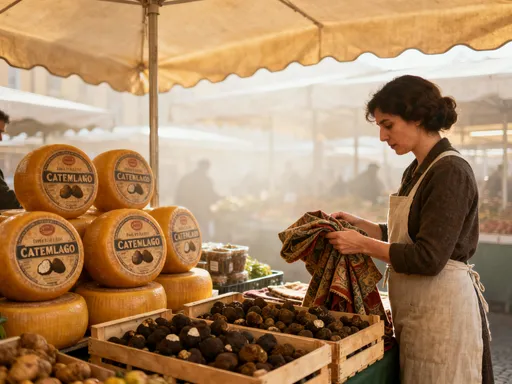
Then there are the weekend markets, where farmers sell fresh goat cheese, honey from geothermal greenhouses, and jars of homemade crowberry jam. These ingredients may seem simple, but in the hands of a skilled cook, they become something extraordinary. The key to finding these places is conversation. Ask a barista where they eat. Chat with a shopkeeper. Follow the scent of baking bread down a side street. Reykjavik rewards the curious, the patient, the open-minded. And when you stumble upon a tiny bakery selling cinnamon rolls made with skyr dough, or a fishmonger offering free samples of marinated salmon, you’ll realize that the best meals aren’t always the ones you planned.
Final Thoughts: Why Reykjavik’s Cuisine Tells Iceland’s Story
As my time in Reykjavik came to a close, I found myself reflecting not just on what I had eaten, but on what it meant. Each meal—whether a humble hot dog at midnight or a seven-course tasting menu under candlelight—revealed a layer of Iceland’s identity. This is a culture shaped by isolation, resilience, and an unbreakable bond with nature. The food doesn’t hide that history; it celebrates it. From the way lamb is slow-cooked to stretch a single animal across many meals, to the use of geothermal energy in baking, every detail reflects adaptation and ingenuity.
Tasting Reykjavik’s cuisine is one of the most intimate ways to understand the country. It’s not about luxury or spectacle—it’s about honesty. The flavors are bold but never showy, simple but never dull. They invite you to slow down, to pay attention, to appreciate what it means to live in harmony with a demanding environment. In a world where food is often mass-produced and disconnected from its source, Iceland offers a powerful reminder: that what we eat can carry meaning, memory, and connection.
So if you ever find yourself in Reykjavik, let your curiosity lead the way. Skip the tourist traps. Talk to the locals. Try the skyr, the soup, the pylsur, even the fermented shark if you dare. Let the flavors surprise you, challenge you, comfort you. Because in this small, vibrant capital, every bite is more than a meal—it’s a story. And by the time you leave, you won’t just remember how the food tasted. You’ll remember how it made you feel. Come check in. Stay open-minded. And let Reykjavik feed not just your body, but your soul.