You Won’t Believe These Barcelona Streets Are Real
Walking through Barcelona’s most vibrant commercial areas feels like stepping into a living Instagram post. Sunlight dances on mosaic tiles, pastel buildings frame trendy boutiques, and every corner seems designed for the perfect shot. I was blown away by how style and culture blend so seamlessly here. This isn’t just shopping—it’s a visual feast. Let me take you through the city’s most photogenic districts where fashion, architecture, and local life collide in the most stunning way.
The Magic of Passeig de Gràcia: Where Elegance Meets the Lens
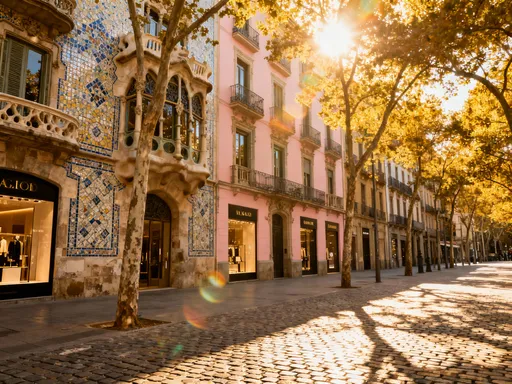
Passeig de Gràcia stands as one of Barcelona’s most elegant boulevards, a grand promenade where luxury shopping and architectural brilliance coexist in perfect harmony. Originally developed in the 19th century as a tree-lined avenue connecting the old city with the former village of Gràcia, it has evolved into a cultural and commercial artery that captures the essence of Catalan modernism. Today, it is lined with global fashion houses such as Louis Vuitton, Chanel, and Zara, yet it is the architecture that truly steals the spotlight. Two of Antoni Gaudí’s most celebrated works—Casa Batlló and Casa Milà, also known as La Pedrera—anchor this stretch, transforming a simple shopping street into an open-air museum of surreal design.
Casa Batlló, with its undulating facade and dragon-scale roof, resembles a scene from a fantasy novel. The use of colorful ceramic tiles, organic shapes, and imaginative ironwork turns the building into a living canvas. Nearby, La Pedrera continues the narrative with its wave-like stone exterior and sculptural rooftop chimneys that rise like warriors from a medieval tale. These structures are not just static landmarks; they interact dynamically with natural light. During golden hour—the hour after sunrise and before sunset—the warm glow bathes the facades in soft amber tones, creating a dreamlike atmosphere ideal for photography. The wide sidewalks and central promenade, shaded by plane trees, offer unobstructed vantage points, making it easy to capture both wide-angle cityscapes and intimate street-style portraits.
Fashion photographers and influencers often gather here, drawn by the seamless fusion of haute couture and artistic expression. The boulevard functions almost like a natural runway, where pedestrians become part of the visual narrative. Locals in tailored coats, tourists in vibrant scarves, and street performers in theatrical costumes all contribute to the ever-changing tableau. For visitors, timing is key. Early mornings on weekdays offer fewer crowds and softer light, while late afternoons bring the golden glow that enhances both skin tones and architectural details. Many professional shoots take place during this window, and even amateur photographers can achieve striking results with minimal equipment.
What sets Passeig de Gràcia apart is not just its beauty, but its accessibility. Unlike exclusive fashion districts in other global cities, this boulevard remains open and inviting. Passersby can admire the architecture up close, step into flagship stores, or relax at outdoor cafés without feeling out of place. The integration of public space and high-end retail creates a democratic experience where style is not confined to the elite. Whether you're capturing the reflection of Gaudí’s curves in a store window or photographing a child reaching for a balloon against the backdrop of a mosaic wall, the street offers endless storytelling possibilities. It’s a place where elegance doesn’t shout—it whispers, lingers, and invites you to look closer.
El Born: Cobblestones, Culture, and Hidden Gems
Just east of the Gothic Quarter lies El Born, a neighborhood that pulses with artistic soul and historical depth. Its narrow, winding streets are paved with uneven cobblestones, worn smooth by centuries of footsteps, giving the area a timeless, almost medieval charm. Once a hub for Barcelona’s maritime trade, El Born has transformed into a cultural enclave where artisanal craftsmanship meets contemporary lifestyle. Here, the commercial experience is intimate, personal, and deeply rooted in local identity. Small galleries, independent fashion boutiques, and family-run workshops line the alleys, each storefront telling a quiet story of passion and dedication.
The centerpiece of El Born is the Basilica of Santa Maria del Mar, a 14th-century Gothic church whose soaring arches and stained-glass windows flood the interior with colored light. The plaza in front, shaded by ancient trees, serves as a natural gathering spot. Locals sip coffee at sidewalk tables, children chase pigeons, and musicians strum guitars in the late afternoon. The church’s austere stone exterior provides a dramatic contrast to the colorful awnings and flower boxes of surrounding shops, creating a rich visual tapestry perfect for photography. Unlike more tourist-heavy areas, El Born retains a sense of authenticity—vendors know their customers by name, and many stores specialize in one craft, such as handmade leather goods, hand-painted ceramics, or bespoke jewelry.
One of the joys of exploring El Born is discovering its hidden gems. Tucked behind unassuming doorways are concept stores that double as art installations. A vintage clothing shop might display garments on antique mannequins beside vintage mirrors and velvet drapes, creating a backdrop so stylish it feels curated for social media. A tiny perfumery could offer custom scent blending, with glass bottles arranged like a still-life painting. These spaces are not designed for mass appeal; they thrive on individuality and attention to detail. For photographers and content creators, this means every frame tells a unique story—no two shots look the same.
The neighborhood also hosts weekly markets and seasonal pop-ups, particularly in the renovated Mercat del Born, a former marketplace turned cultural center. Here, local designers showcase their work, from sustainable fashion to hand-printed textiles. These events draw a creative crowd, offering opportunities to capture candid moments of interaction, craftsmanship, and celebration. The lighting in El Born is naturally soft, filtered through narrow streets and overhanging balconies, which minimizes harsh shadows and enhances texture. Early mornings are ideal for photography, as the low sun creeps across the stone walls, highlighting cracks, ivy, and centuries-old carvings. Even on overcast days, the muted light adds a poetic quality to images, emphasizing mood over color.
El Born invites slow exploration. There are no grand monuments demanding attention—instead, beauty reveals itself in small details: a hand-carved door knocker, a basket of fresh figs outside a deli, a cat napping in a sunlit doorway. For travelers seeking a deeper connection with Barcelona’s culture, this neighborhood offers a more reflective, human-scale experience. It’s not about buying; it’s about noticing, feeling, and remembering. Every corner feels like a secret shared between the city and the observer, making it one of the most emotionally resonant places to photograph in Barcelona.
Gràcia’s Village Spirit: Color, Creativity, and Street Art
Perched on a hill overlooking central Barcelona, Gràcia retains the spirit of a village within a metropolis. Once an independent town, it was absorbed into the city in the late 19th century but has preserved its unique character through tight-knit community life and a fierce commitment to creativity. Unlike the grand avenues of Passeig de Gràcia or the historic lanes of El Born, Gràcia thrives on whimsy and personal expression. Its plazas—Plaça del Sol, Plaça de la Virreina, and Plaça de la Revolució de Setembre de 1842—are vibrant social hubs adorned with mosaics, flower cascades, and hand-painted murals. These spaces are not just decorative; they are the result of annual neighborhood festivals, where residents come together to redesign their surroundings with paint, plants, and imagination.
The Festa Major de Gràcia, held every August, is the highlight of the year. For one week, the entire neighborhood transforms into an open-air art installation. Streets are closed to traffic, and each block competes to create the most elaborate theme-based decoration. One alley might become a jungle of recycled materials, another a tribute to vintage cinema, and another a celestial dreamscape with hanging stars and glowing planets. Local businesses and families collaborate on these projects, reinforcing community bonds while attracting thousands of visitors. Even outside the festival, remnants of this creativity remain—mosaic benches, painted shutters, and floral arches that change with the seasons. This ever-evolving aesthetic makes Gràcia a favorite among lifestyle photographers and content creators looking for fresh, dynamic backdrops.
The commercial landscape in Gràcia reflects this artistic energy. Boutique owners treat their storefronts as extensions of their identity. A small clothing store might feature a hand-painted mural of local flora, while a café could display rotating art exhibits on its exterior walls. Many shops specialize in sustainable or handmade goods, from organic cotton dresses to ceramic tableware crafted in nearby studios. These businesses are not driven by mass production; they value quality, originality, and connection. Shoppers often engage in conversation with owners, learning about materials, techniques, and inspirations. This personal touch enhances the overall experience, making shopping feel less transactional and more relational.
Photographically, Gràcia offers a rich palette of colors, textures, and contrasts. The interplay of sunlight and shadow in its narrow streets creates natural framing, while the abundance of greenery—climbing vines, potted plants, rooftop gardens—adds depth and life to images. The area is particularly popular for portrait photography, where the backdrop complements rather than competes with the subject. Early evening is a magical time, as string lights flicker on and the plazas fill with people enjoying tapas and wine. The warm, diffused light enhances skin tones and creates a cozy, inviting atmosphere. Unlike more polished districts, Gràcia embraces imperfection—peeling paint, cracked tiles, and weathered wood are not hidden but celebrated as part of its charm.
For families and older travelers, Gràcia offers a relaxed pace and a sense of safety. The streets are largely pedestrianized, and the community-oriented culture fosters a welcoming environment. Children play in the plazas, elders sit on benches reading newspapers, and dogs nap beside their owners at outdoor tables. This human rhythm makes the neighborhood feel lived-in and genuine. Capturing this daily life—whether it’s a grandmother handing her grandchild a pastry or a street musician playing for coins—adds emotional weight to any visual story. Gràcia is not just a place to visit; it’s a place to feel, to breathe, and to be inspired.
Portal de l’Àngel: The Heartbeat of Urban Style
Portal de l’Àngel is the pulsing core of Barcelona’s urban retail scene, a pedestrian-only street that links Plaça Catalunya with the edge of the Gothic Quarter. Lined with international chains like H&M, Mango, and Adidas, as well as Spanish favorites like Camper and Desigual, it serves as a gateway to the city’s commercial heart. The street is almost always in motion—shoppers stream in both directions, delivery bikes weave through the crowd, and the sound of footsteps blends with snippets of conversation in a dozen languages. Despite its commercial intensity, Portal de l’Àngel possesses a distinct visual rhythm, shaped by its architecture, lighting, and constant flow of people.
The buildings here feature a mix of modern glass facades and restored historic exteriors, creating a layered aesthetic that reflects Barcelona’s ability to honor the past while embracing the present. Reflective surfaces abound, from mirrored store windows to polished stone floors, which amplify natural light and create dynamic visual effects. On sunny days, sunlight bounces off these surfaces, producing a bright, energetic atmosphere ideal for crisp, high-contrast photography. The uniform width of the street and the consistent height of the buildings provide a natural frame, making it easy to compose balanced shots even in busy conditions.
For photographers, timing and positioning are essential. Mid-morning and late afternoon offer the best light, while weekends bring the highest foot traffic. To avoid cluttered compositions, shooting from slightly elevated angles—such as from a café terrace or near a stairwell—can help isolate subjects. Many fashion influencers use the street’s clean lines and reflective surfaces to create minimalist urban looks, pairing structured clothing with the geometric backdrop. The presence of diverse shoppers also adds authenticity; capturing real moments—someone adjusting their scarf, a couple laughing outside a shoe store, a child pressing their nose against a toy shop window—brings warmth and narrative depth to images.
Portal de l’Àngel is more than a shopping street; it’s a barometer of urban life. The way people dress, move, and interact reflects broader cultural trends. In spring, pastel coats and floral dresses dominate; in autumn, leather jackets and scarves return. The street becomes a living catalog of seasonal style, offering endless inspiration for trend watchers and content creators. While it lacks the architectural drama of Passeig de Gràcia or the bohemian charm of Gràcia, its strength lies in its vitality. It’s a place where fashion is not curated for display but worn for life. For visitors seeking to understand Barcelona’s everyday style, this street offers a direct, unfiltered view.
La Rambla: Tourist-Favorite or Photo Trap?
No street in Barcelona is more debated than La Rambla. Stretching nearly 1.2 kilometers from Plaça Catalunya to the Christopher Columbus Monument at Port Vell, it is one of the most visited avenues in Europe. To some, it is the vibrant soul of the city; to others, an overcrowded tourist trap. The truth lies somewhere in between. La Rambla is undeniably busy—often packed with street performers, souvenir vendors, and open-air cafés—but it also offers a unique sensory experience that captures the energy of urban Barcelona. The key to appreciating it lies in perspective: how you engage with it, when you visit, and where you look.
The central promenade, La Rambla dels Caputxins, is lined with chestnut trees and dotted with performers—living statues frozen in gold paint, magicians entertaining small crowds, musicians filling the air with melodies. Flower stalls burst with color, offering everything from single roses to elaborate bouquets wrapped in newspaper. At one end, the Boqueria Market spills onto the sidewalk with pyramids of fruit, wheels of cheese, and glistening seafood. This sensory overload can be overwhelming, but it also creates unparalleled opportunities for candid photography. A well-timed shot can capture the sparkle in a street dancer’s eye, the concentration of a sketch artist at work, or the joy of a child tasting fresh juice for the first time.
Yet, the crowds can make photography challenging. Midday on a summer Saturday, the street may feel more like a corridor than a destination. To avoid the chaos, many photographers arrive early—between 7:00 and 9:00 a.m.—when the light is soft and the street is still waking up. During these hours, the vendors are setting up, the cleaners are sweeping the pavement, and the first joggers are passing through. These quiet moments reveal a different La Rambla, one of preparation and routine, far removed from the performative energy of peak hours. Shooting from the edges—near café terraces or side entrances—can also help frame more intimate scenes without including too much background clutter.
For a more authentic experience, stepping into the side streets that branch off La Rambla is essential. Carrer d’Avinyó, for example, retains a residential feel with laundry hanging between buildings and elderly neighbors chatting from balconies. Carrer de la Vidrieria offers artisan workshops and small design studios. These alleys provide contrast, allowing photographers to juxtapose the grandeur of the main avenue with the quiet intimacy of everyday life. La Rambla may not be the most peaceful place in Barcelona, but it is one of the most representative. It doesn’t hide its complexity—it embraces it. For those willing to look beyond the surface, it offers a rich, layered narrative about tourism, commerce, and coexistence.
Poblenou: The Modern Face of Barcelona’s Style Scene
On the eastern edge of Barcelona, Poblenou has undergone a remarkable transformation. Once a gritty industrial zone filled with factories and warehouses, it has emerged as a hub of innovation, sustainability, and minimalist design. Known as the “22@” district, named after its urban redevelopment plan, Poblenou now houses tech startups, design studios, and eco-conscious boutiques. The aesthetic here is clean, understated, and forward-thinking—think exposed brick, concrete floors, and large glass windows that flood interiors with natural light. This modern sensibility extends to the streets, where reclaimed spaces, urban gardens, and public art installations redefine what a commercial district can be.
One of the most striking features of Poblenou is its integration of nature and architecture. Former factory lots have been converted into community gardens and green courtyards. Rooftop terraces host urban farms growing herbs and vegetables for local restaurants. These green spaces are not just decorative; they serve as gathering spots for professionals, families, and creatives. Cafés with outdoor seating nestle beside wildflower meadows, and bike lanes encourage sustainable mobility. For photographers, this blend of industrial and organic elements creates a compelling visual contrast—rusty metal beams beside blooming jasmine, steel sculptures surrounded by lavender. The lighting is soft and even, ideal for capturing texture and detail without harsh glare.
The retail scene in Poblenou leans toward the conceptual. Stores often double as galleries or workshops, showcasing slow fashion, handmade furniture, or zero-waste products. A clothing boutique might display garments on wooden hangers in a space with whitewashed walls and hanging plants, creating a serene, gallery-like atmosphere. These environments attract a design-savvy crowd that values authenticity and sustainability. Shopping here feels deliberate, not impulsive. Customers take time to examine materials, ask questions, and connect with the story behind each item. This mindful approach to consumption translates into a calmer, more reflective shopping experience—one that resonates deeply with older travelers and environmentally conscious families.
Photographically, Poblenou offers a fresh alternative to the ornate styles of central Barcelona. The minimalist aesthetic allows for clean compositions, uncluttered frames, and a focus on form and function. Early mornings and late afternoons provide the best lighting, with the sun casting long shadows across cobblestone alleys and illuminating the textures of weathered walls. The area is less crowded than the city center, making it easier to capture wide shots without unwanted bystanders. For content creators focused on slow living, wellness, or sustainable design, Poblenou provides a powerful visual language. It’s a place where progress doesn’t mean losing soul—it means redefining it.
Putting It All Together: How to Experience Barcelona’s Commercial Soul
Barcelona’s commercial streets are not merely places to shop—they are living expressions of the city’s artistic spirit, cultural diversity, and human connection. Each district offers a distinct rhythm, aesthetic, and emotional tone, from the grandeur of Passeig de Gràcia to the intimacy of El Born, the creativity of Gràcia, the energy of Portal de l’Àngel, the complexity of La Rambla, and the modernity of Poblenou. Together, they form a mosaic as intricate and vibrant as Gaudí’s mosaics. To truly experience them, it’s best to approach them not as isolated destinations but as parts of a larger journey—one that unfolds at walking pace, with time to pause, observe, and reflect.
A suggested route begins in Plaça Catalunya, where Portal de l’Àngel and Passeig de Gràcia diverge. Start early in the morning to capture the golden light on Gaudí’s masterpieces, then move toward El Born, allowing time to wander its side streets and enjoy a café con leche in the shadow of Santa Maria del Mar. From there, a short walk leads to the Gothic Quarter, where a detour down Carrer d’Avinyó offers a quieter perspective on La Rambla. Continue east to Poblenou, either by metro or bike, to experience the city’s modern face. End the day in Gràcia, where the plazas come alive in the evening with music, laughter, and the scent of grilled bread.
Photography enthusiasts should consider visiting during shoulder seasons—spring and autumn—when light is soft and crowds are manageable. A lightweight camera or smartphone with portrait mode is sufficient; the city provides the composition. The most powerful images often come not from famous landmarks but from fleeting moments: a hand placing a flower in a vase, a couple sharing a churro, a dog sleeping in a doorway. These are the details that make Barcelona feel alive.
Ultimately, the city’s commercial areas invite us to see shopping not as consumption, but as connection. They are open-air galleries where architecture, fashion, and daily life converge. They remind us that beauty exists not just in museums, but in the way people live, create, and share space. Walking these streets, one begins to understand that Barcelona’s true luxury is not in its brands or buildings, but in its spirit—an enduring blend of tradition, innovation, and heart. And that, perhaps, is the most unforgettable shot of all.