What I Learned from Messing Up My Hair—And How You Can Avoid It
We’ve all been there—chasing perfect hair with products and routines that promise miracles. But what if some of those habits are doing more harm than good? I spent years damaging my hair, believing myths and skipping real care. Turns out, your hair’s health is a mirror of your habits, diet, and choices. This is a reality check on the hidden pitfalls that quietly ruin your hair—and what actually helps it thrive.
The Wake-Up Call: When Hair Stops Responding
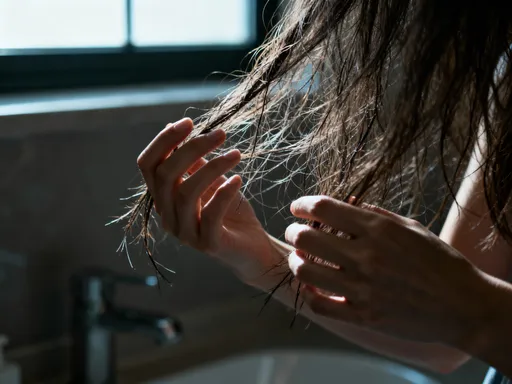
For over a decade, I followed what I thought was a meticulous hair care routine. I washed almost daily, used multiple styling products, and never left the house without blow-drying or straightening. My bathroom cabinet was full of shampoos labeled “volumizing,” “strengthening,” and “repair.” Yet, despite all the effort, my hair began to feel different—thinner, drier, and increasingly fragile. Strands snapped easily when brushed, and I noticed more hair in the shower drain than ever before. At first, I blamed genetics or aging. But the truth was harder to accept: my habits were the problem.
The turning point came one morning when I tried to tie my hair into a ponytail and realized how little volume there was. The ends were frayed, the texture uneven, and the shine long gone. I wasn’t just dealing with bad hair days—I was facing the cumulative effects of years of misuse. Hair doesn’t react immediately to damage. Unlike skin, which might show irritation within hours, hair damage accumulates silently. Each over-styled strand, each harsh chemical treatment, each missed nutrient adds up over time. The result is often not sudden loss, but a slow decline that many mistake for natural aging.
What I began to understand was that hair health is not just about what you apply to the surface. It’s deeply tied to internal factors like nutrition, stress levels, sleep quality, and even hormonal balance. The scalp, often overlooked, plays a critical role. Just as a plant depends on healthy soil, hair depends on a nourished scalp and strong internal foundation. When I finally accepted that my routine was part of the problem, not the solution, I began to look beyond the mirror and into the choices I made every day.
Myth vs. Reality: Common Hair Care Beliefs That Mislead
One of the most persistent myths in hair care is that clean hair means washed hair. Many believe that daily shampooing is necessary to keep hair fresh and healthy. In reality, overwashing strips the scalp of its natural oils, leading to dryness, irritation, and even increased oil production as the scalp tries to compensate. The scalp produces sebum, a natural conditioner that protects hair and maintains moisture balance. Removing it too frequently disrupts this balance and can weaken the hair shaft over time.
Another widespread misconception is that natural oils are dirty or undesirable. On the contrary, sebum is essential for maintaining the integrity of the hair cuticle. When hair lacks these oils, it becomes brittle and prone to breakage. The key is not to eliminate oil but to manage it. For example, people with oily scalps may benefit from gentle, sulfate-free shampoos used every other day, while those with dry scalps may only need to wash once or twice a week. Matching your routine to your scalp type is far more effective than following a one-size-fits-all approach.
Then there’s the myth of the miracle product. Shampoos and conditioners labeled “strengthening” or “repair” often contain silicones and temporary coatings that smooth the hair surface. While they create an immediate improvement in texture and shine, they don’t actually repair damaged keratin or rebuild broken bonds. Over time, these products can build up on the hair and scalp, leading to dullness and clogged follicles. Worse, relying on them can give a false sense of security, delaying real changes in behavior that would address the root causes of damage.
Marketing also thrives on the idea of instant transformation. Advertisements promise thicker, longer, healthier hair in weeks. But hair grows slowly—about half an inch per month—and real improvement takes months of consistent, mindful care. There are no shortcuts to structural strength. Understanding this shift—from quick fixes to long-term maintenance—is essential for anyone serious about improving their hair health.
The Overstyling Trap: Heat, Dyes, and the Damage We Ignore
Heat styling is one of the most common yet damaging habits in modern hair care. Blow dryers, flat irons, and curling wands expose hair to temperatures that can exceed 400°F (204°C). At these levels, the water inside the hair shaft turns to steam, causing bubbles and micro-fractures in the cortex. This weakens the internal structure, making hair more prone to breakage and split ends. Over time, repeated exposure leads to irreversible damage, especially when heat protectants are skipped or used incorrectly.
Chemical treatments like coloring and bleaching are equally harsh. Bleach works by opening the hair cuticle and removing melanin, the pigment that gives hair its color. This process not only alters appearance but also compromises the protein structure of the hair. Frequent touch-ups or overlapping applications can lead to patchy, brittle strands, particularly at the mid-lengths and ends where hair has been exposed the most. Even semi-permanent dyes, considered milder, can cause buildup and dryness over time.
Many people don’t recognize the signs of damage until it’s advanced. Hair that feels rough or straw-like, lacks elasticity, or tangles easily is already compromised. Split ends, once formed, cannot be truly repaired—only trimmed. Some products claim to “seal” split ends, but these are temporary fixes that wear off with washing. The only real solution is prevention: reducing heat use, spacing out chemical treatments, and protecting hair with proper conditioning.
It’s also important to understand what “repair” really means in hair care. True repair involves strengthening the hair from within through proper nutrition and minimizing further damage. Products that claim to rebuild hair often rely on proteins like keratin or hydrolyzed wheat protein to temporarily fill in gaps in the cuticle. While helpful, these are not permanent solutions. They work best when combined with behavioral changes, such as air-drying when possible, using lower heat settings, and wearing protective styles on high-heat days.
Washing Wrong: The Hidden Mistakes in Your Routine
How you wash your hair matters as much as how often. One of the most common mistakes is using a shampoo that doesn’t match your scalp type. People with oily scalps may reach for strong clarifying shampoos, not realizing they can over-strip and trigger rebound oiliness. Those with dry or sensitive scalps may use heavy, moisturizing formulas that weigh hair down or clog pores. The ideal shampoo should cleanse without disrupting the scalp’s pH, which typically ranges between 4.5 and 5.5.
Another frequent error is skipping conditioner or applying it incorrectly. Conditioner is designed to smooth the cuticle, reduce friction, and prevent breakage. Yet some avoid it out of fear of greasiness. The solution is to apply conditioner mainly to the mid-lengths and ends—the oldest parts of the hair—while avoiding the roots. Applying conditioner to the scalp can lead to buildup, especially in fine or oily hair types, potentially contributing to flaking or itching.
Water temperature is another overlooked factor. Rinsing with hot water can dry out the scalp and cause irritation, while lukewarm or cool water helps seal the cuticle and retain moisture. Similarly, aggressive towel-drying—rubbing hair vigorously with a regular cotton towel—creates friction that lifts the cuticle and leads to frizz and breakage. A better alternative is to gently squeeze out excess water with a microfiber towel or an old cotton T-shirt, which are gentler on delicate strands.
Timing and frequency also play a role. Washing too frequently can disrupt the scalp’s microbiome, while going too long between washes can lead to buildup of oil, sweat, and product residue. For most people, washing every 2 to 3 days strikes a balance. However, this varies by hair type, lifestyle, and activity level. Listening to your scalp—whether it feels tight, itchy, or greasy—is a better guide than following a rigid schedule.
Beyond the Surface: Diet, Sleep, and Internal Health Clues
Hair is made mostly of keratin, a protein, so adequate protein intake is essential for growth and strength. Diets low in protein can lead to thinning, slowed growth, or even temporary shedding. Iron deficiency, particularly common in women, is another well-documented contributor to hair loss. Iron helps red blood cells carry oxygen to hair follicles, and low levels can impair this process. Biotin, vitamin D, zinc, and omega-3 fatty acids also play supportive roles in maintaining healthy hair structure and scalp function.
Hydration is often underestimated. Water makes up a significant portion of the hair shaft, and chronic dehydration can lead to dryness and brittleness. While drinking water won’t directly make hair grow faster, it supports overall cellular function, including the cells responsible for hair production. A balanced diet rich in whole grains, lean proteins, fruits, and vegetables provides the micronutrients needed for sustained hair health.
Chronic stress is another silent contributor. When the body is under prolonged stress, it can shift hair follicles into a resting phase called telogen. This leads to increased shedding several months later, a condition known as telogen effluvium. While this type of shedding is usually temporary, it underscores the connection between emotional well-being and physical appearance. Managing stress through mindfulness, exercise, or therapy can have indirect but meaningful benefits for hair.
Sleep quality also affects hair. During deep sleep, the body repairs tissues and regenerates cells, including those in the scalp. Poor sleep disrupts hormone regulation and increases cortisol levels, which can negatively impact hair growth cycles. Prioritizing 7 to 9 hours of restful sleep isn’t just good for overall health—it’s a foundational habit for maintaining strong, resilient hair.
The Scalp Check: Why You Should Treat the Base, Not Just the Hair
The scalp is the foundation of hair health, yet it’s often neglected. Just like skin, the scalp can suffer from dryness, oiliness, inflammation, and fungal imbalances. Dandruff, for example, is not just a cosmetic issue—it can signal an overgrowth of yeast or sensitivity to certain ingredients. Persistent itching, redness, or flaking should not be ignored. These can indicate underlying conditions that, if left unaddressed, may affect hair growth over time.
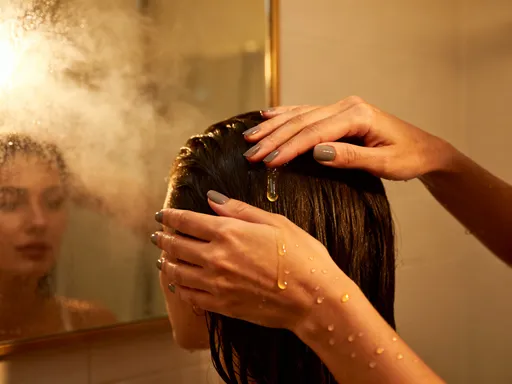
Gentle scalp care can make a significant difference. Regular scalp massages, even for just a few minutes a day, improve blood circulation, which delivers oxygen and nutrients to hair follicles. Using fingertips in circular motions—never nails—is both soothing and effective. Some people also benefit from gentle exfoliation once a week to remove dead skin cells and product buildup. This can be done with a soft brush or a mild scrub formulated for the scalp.
Signs of an unhealthy scalp include persistent tightness, sensitivity, or the appearance of thinning patches. If the scalp feels sore or develops crusty spots, it may be time to consult a dermatologist. In many cases, simple changes—like switching to a gentler shampoo, reducing heat styling, or improving hydration—can restore balance. A healthy scalp environment supports stronger, more resilient hair growth and reduces the risk of breakage.
Daily habits matter. Avoiding tight hairstyles that pull on the scalp, protecting hair from UV exposure with hats or sprays, and minimizing friction from pillowcases (silk or satin materials help) all contribute to a supportive scalp ecosystem. Treating the scalp with the same care as facial skin—cleansing, moisturizing, and protecting—can lead to noticeable improvements over time.
Smart Fixes: Building a Sustainable, Science-Backed Routine
The path to healthier hair isn’t about buying more products—it’s about making smarter choices. Start by reading ingredient labels. Look for shampoos without sulfates if you have a sensitive scalp, and conditioners with natural oils like argan or jojoba for added moisture. Avoid products with high alcohol content, which can be drying. Ingredients like ceramides, panthenol, and niacinamide have scientific support for improving hair strength and moisture retention.
Protective styling is another effective strategy. Braids, buns, and twists reduce manipulation and friction, which are major causes of breakage. These styles are especially beneficial for those with longer or textured hair. However, even protective styles should be worn loosely to avoid tension on the roots. Wearing tight ponytails or extensions for long periods can lead to traction alopecia, a form of hair loss caused by constant pulling.
Consistency is more important than intensity. A simple, daily routine that includes gentle cleansing, proper conditioning, and protection from heat and environmental stressors will yield better results than occasional deep treatments or extreme regimens. Hair thrives on predictability and care, not dramatic interventions. Over time, small, sustainable habits compound into visible improvements.
Finally, know when to seek professional help. If hair loss is sudden, patchy, or accompanied by scalp discomfort, it may require medical evaluation. A dermatologist or trichologist can identify underlying causes such as hormonal imbalances, autoimmune conditions, or nutritional deficiencies. While self-care is powerful, it has limits. Professional guidance ensures that concerns are addressed safely and effectively, without resorting to unproven remedies or restrictive diets.
Hair health isn’t about perfection—it’s about awareness. Every strand tells a story of your habits, choices, and overall well-being. By avoiding common pitfalls and focusing on long-term care, you’re not just improving your hair—you’re tuning into your body’s signals. This isn’t a quick fix, but a shift toward smarter, kinder, and more informed self-care.