How Yoga Meditation Changed My Recovery Journey – A Beginner’s Real Talk
Ever felt stuck in the slow lane of healing? I was too—until I tried combining yoga meditation with traditional Chinese wellness practices. As a total newbie, I didn’t expect much, but the shift in my energy, sleep, and pain levels was surprising. This isn’t about magic cures, but real, subtle changes that added up. Here’s how gentle movement and mindful breathing became my secret tools for rehabilitation—no hype, just honest experience.
The Breaking Point: When Conventional Recovery Wasn’t Enough
For months, I moved through life like a clock winding down. After a minor surgery followed by a prolonged period of inactivity, my body felt foreign—stiff, heavy, and uncooperative. Even simple tasks like climbing stairs or standing from a seated position triggered discomfort. I followed my doctor’s orders: rest, physical therapy appointments, anti-inflammatory medication when needed. Yet progress stalled. The physical therapist noted slight improvements, but I didn’t feel them. My energy stayed low, my sleep remained fragmented, and frustration built with each passing week.
What I hadn’t anticipated was how much the emotional toll would weigh on me. Healing felt like a solitary journey with no clear endpoint. I began to question whether I’d ever regain the ease of movement I once took for granted. That’s when a close friend, noticing my fatigue and irritability, gently suggested I try yoga meditation. She didn’t push, just said, “It’s not about being flexible. It’s about listening.” I was skeptical. The idea of stretching on a mat while breathing deeply seemed too simple to make a difference—almost trivial compared to medical interventions. But desperation made me curious. I decided to give it one month—no expectations, just an open mind.
Bridging Ancient Wisdom: Traditional Chinese Medicine Meets Mind-Body Practice
As I began researching, I discovered that my friend’s suggestion wasn’t just a modern wellness trend. It had roots in traditional Chinese medicine (TCM), a system I’d heard of but never fully understood. TCM views health as a balance of vital energy, known as qi (pronounced “chee”), which flows through pathways in the body called meridians. When qi is blocked or imbalanced, illness or discomfort arises. The goal of TCM isn’t just to treat symptoms, but to restore harmony within the whole person—body, mind, and spirit.
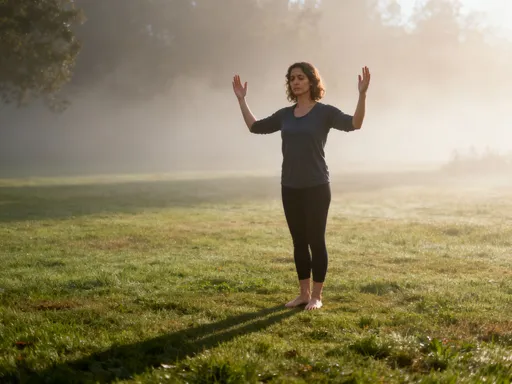
Yoga meditation, though originating in India, shares surprising parallels with TCM principles. Both emphasize the connection between breath and energy flow. In yoga, controlled breathing—called pranayama—is believed to calm the nervous system and enhance vitality. Similarly, TCM uses breath regulation and mindful movement, such as in qigong, to unblock stagnation and encourage smooth qi circulation. When I learned this, something clicked: my stiffness and fatigue might not just be physical. They could be signs of energy stagnation, worsened by stress and inactivity.
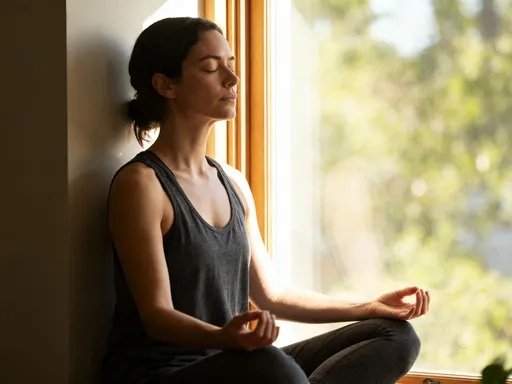
The concept of “stillness as healing” was foreign to me at first. I associated recovery with action—exercises, treatments, measurable progress. But both TCM and yoga teach that healing also happens in quiet moments. When the body is still and the mind is focused, the parasympathetic nervous system activates—the “rest and digest” mode that supports tissue repair, reduces inflammation, and improves sleep. This shift from constant doing to intentional being became a cornerstone of my new approach.
First Steps on the Mat: What My Early Practice Actually Looked Like
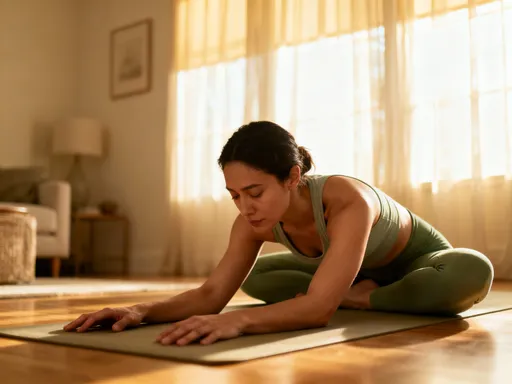
I didn’t start with headstands or hour-long sessions. My first yoga meditation practice lasted ten minutes and took place on a folded towel in my living room. I chose a beginner-friendly YouTube video labeled “gentle yoga for recovery.” The instructor guided me into simple poses: child’s pose, seated forward bend, and a reclined twist. Each movement was slow, supported, and focused on breath. I wasn’t asked to be perfect—just present.
The tools I used were minimal: a basic yoga mat I bought online, a pillow for support, and my smartphone for guided sessions. I explored free apps like Insight Timer and YouTube channels that offered structured programs for beginners. There was no pressure to join a studio or invest in expensive gear. What mattered was consistency, not complexity. I quickly learned that even five minutes of mindful breathing counted as practice.
My early days were far from flawless. I often pushed too hard, trying to mirror the instructor’s flexibility and ending up sore. I compared myself to others in online videos, forgetting that everyone’s body is different. Some mornings, I skipped practice because I was too tired or “too busy,” only to feel more drained by evening. The biggest lesson? Progress isn’t linear. Showing up—even if all I did was lie on my back and breathe—was an act of self-care, not failure.
Small Shifts, Big Gains: The Physical and Mental Changes I Noticed
The changes didn’t happen overnight, but by the third week, I began to notice subtle differences. My morning stiffness started to ease. Where I once needed ten minutes to feel “unlocked” after waking, I now moved more freely. Simple stretches that had been painful became manageable. I also slept more deeply. Instead of waking up two or three times a night, I began sleeping through until morning—a rare win after months of restless nights.
Joint mobility improved gradually. I could bend further, turn my head more easily, and stand for longer periods without discomfort. But beyond the physical, the emotional shifts were just as significant. I became less reactive. Small frustrations—like spilled coffee or a delayed appointment—no longer sent me into a spiral of irritation. I had more patience, not just with others, but with myself. I stopped berating my body for not healing faster and started thanking it for what it could do each day.
Breath awareness became a powerful tool for managing discomfort. Instead of reaching for pain relievers at the first twinge, I’d pause and take five slow, deep breaths. I focused on expanding my belly with each inhale and releasing tension on the exhale. This didn’t erase pain, but it changed my relationship to it. I learned to observe discomfort without panic, creating space between sensation and reaction. Over time, this mindful approach reduced my reliance on medication and gave me a sense of control I hadn’t felt in months.
Science Behind the Stillness: What Research Says About Yoga and Recovery
Curious about whether my experience was supported by science, I looked into existing research. What I found was reassuring. Numerous studies have shown that regular yoga practice improves flexibility, balance, and joint function—especially in individuals recovering from injury or managing chronic pain. A 2020 review published in the Journal of Clinical Medicine concluded that yoga significantly reduces pain intensity and improves physical function in people with musculoskeletal conditions.
Equally compelling is the impact on the nervous system. Yoga and meditation activate the parasympathetic nervous system, which counteracts the stress-driven “fight or flight” response. When this system is dominant, heart rate slows, blood pressure decreases, and the body shifts into repair mode. Research from Harvard Medical School indicates that this shift supports immune function, reduces inflammation, and enhances tissue regeneration—all critical for recovery.
Breathing techniques play a central role. Slow, diaphragmatic breathing has been shown to lower cortisol levels, the hormone associated with stress. A 2017 study in Frontiers in Human Neuroscience found that participants who practiced mindful breathing for just 15 minutes a day experienced measurable reductions in anxiety and improved emotional regulation. Additionally, gentle movement increases blood flow to muscles and connective tissues, delivering oxygen and nutrients essential for healing. Unlike high-intensity exercise, which can strain an injured body, yoga provides low-impact stimulation that supports recovery without overexertion.
Making It Stick: Building a Sustainable Routine Without Burnout
One of the biggest challenges wasn’t starting—it was staying consistent. Life gets busy, energy fluctuates, and motivation fades. I learned that sustainability comes from integration, not discipline alone. I attached my yoga meditation practice to an existing habit: after my morning tea, I’d roll out my mat. This tiny ritual made it easier to show up, even on days when I didn’t feel like it. I also set phone reminders and kept my mat visible, unrolled in the corner of the room—a quiet invitation to practice.
I stopped measuring success by duration or complexity. Some days, my practice was ten minutes of seated breathing. Other days, it was a full 30-minute session. I learned to honor my energy levels. On low days, I’d do restorative poses with pillows and focus solely on breath. On stronger days, I’d gently explore deeper stretches. This flexibility removed the pressure to perform and turned practice into self-nurturing rather than another task on my to-do list.
Creating a calm space at home also made a difference. I cleared a small area near the window, added a soft blanket, and lit a candle during evening sessions. This space became a sanctuary—a place where I could disconnect from distractions and reconnect with myself. I found that practicing in the same spot reinforced the habit and deepened the sense of ritual. Timing mattered too. I experimented with morning and evening sessions and discovered that evening practice helped me unwind and sleep better, while morning sessions boosted my energy for the day.
Beyond the Mat: Integrating Mindfulness into Everyday Healing
Over time, the benefits of yoga meditation began to extend beyond the mat. I started applying mindfulness to daily activities. While walking, I paid attention to the sensation of my feet touching the ground. While eating, I slowed down, savoring each bite instead of rushing through meals. Even resting became more intentional—I learned to lie down without guilt, allowing my body to recharge without feeling lazy.
Perhaps the most profound shift was internal. I stopped viewing recovery as a race and began seeing it as a journey of listening. Frustration gave way to acceptance. I learned to meet my body where it was each day, without judgment. This cultivated self-compassion, a quality I hadn’t realized I was missing. Instead of criticizing myself for not healing fast enough, I began to appreciate small victories—a deeper breath, a moment of calm, a pain-free stretch.
This mindset didn’t just improve my physical recovery—it changed how I approached life. I became more patient, more present, and more resilient. I stopped seeking quick fixes and started trusting the process. Healing, I realized, isn’t just about fixing what’s broken. It’s about rebuilding with awareness, kindness, and balance. Yoga meditation didn’t give me a new body. It gave me a new relationship with the one I already had.
Conclusion
Yoga meditation didn’t fix everything overnight, but it gave me tools to heal more mindfully. By blending gentle movement with breath and presence, I found a deeper connection to my body’s natural rhythm. For anyone rebuilding from injury or fatigue, this path offers not a shortcut, but a steadier, calmer way forward. The changes were subtle at first—better sleep, less tension, more patience—but they accumulated into real transformation. It wasn’t about perfection or performance. It was about showing up, breathing through discomfort, and learning to listen.
Every small moment of stillness added up. I didn’t need special training or expensive equipment. Just a few minutes a day, a willingness to try, and the courage to slow down. While this practice is not a substitute for medical care, it became a powerful complement—one that empowered me to take an active role in my healing. Always consult a healthcare provider before starting any new wellness routine, especially during recovery. But don’t underestimate the power of starting small—with just a few minutes of stillness, you might just rediscover the strength and peace already within you.