How My Hobbies Quietly Transformed My Health — And What I Actually Track
You don’t need a gym membership or a strict diet to boost your health—sometimes, it starts with what you already love doing. I never thought my weekend sketching or evening guitar strumming had anything to do with wellness—until I noticed my stress dropping and sleep improving. Curious, I started tracking small changes. What I discovered was surprising: hobbies aren’t just fun, they’re a quiet, powerful form of health monitoring. Without effort or expense, these joyful activities became subtle barometers of my emotional balance, energy levels, and overall well-being. What began as simple pastimes evolved into meaningful tools for self-awareness—and that shift changed everything.
The Unexpected Link Between Hobbies and Health
Many people assume that improving health requires structured routines: scheduled workouts, calorie counting, or prescribed supplements. Yet, one of the most accessible and underappreciated pathways to wellness lies in the activities we already enjoy—cooking, painting, gardening, playing an instrument, or even knitting. These hobbies, often dismissed as mere distractions, can serve as natural mechanisms for observing and supporting physical and mental health. When engaged in regularly, they create a rhythm that allows the body and mind to reset, recover, and reveal signals that might otherwise go unnoticed.
Scientific evidence supports the idea that enjoyable, repetitive activities influence both psychological and physiological states. For instance, rhythmic actions such as stirring dough, strumming chords, or tending to plants can induce a mild meditative state, lowering heart rate and reducing muscle tension. These effects are not accidental; they stem from the brain’s response to predictable, low-pressure engagement. The prefrontal cortex, responsible for decision-making and emotional regulation, tends to relax during such tasks, allowing the default mode network—associated with introspection and mental restoration—to become more active. This neurological shift contributes to improved mood and reduced anxiety over time.
More subtly, hobbies act as a form of passive health monitoring. Because they occur regularly and involve personal investment, changes in how one engages with them can reflect underlying shifts in well-being. A gardener who suddenly loses interest in watering plants, or a knitter who finds it harder to focus on patterns, may be experiencing early signs of fatigue, stress, or low mood—long before clinical symptoms appear. These small behavioral cues, when noticed, can serve as early warnings, prompting self-reflection or timely support. In this way, hobbies become more than leisure—they become mirrors reflecting inner states.
Why We Overlook What We Already Do
Despite their potential, hobbies are rarely recognized as health-supportive behaviors. This oversight stems from a cultural bias that equates wellness with effort, sacrifice, and measurable outcomes. A 30-minute run is seen as productive; 30 minutes of watercolor painting, less so. As a result, many people dismiss their hobbies as irrelevant to health, viewing them only as escapes rather than contributors to resilience. This mindset not only undervalues enjoyable activities but also blinds individuals to the subtle benefits they provide.
Research in positive psychology and neuroscience suggests that pleasurable, low-stakes activities play a critical role in emotional regulation. Engaging in something enjoyable—even briefly—triggers the release of dopamine and serotonin, neurotransmitters associated with motivation, satisfaction, and mood stability. Simultaneously, cortisol, the stress hormone, tends to decline during and after such activities. A study published in the Journal of Positive Psychology found that participants who spent just 15 minutes a day on a self-chosen enjoyable task reported significantly lower stress levels and higher life satisfaction after two weeks. These effects were independent of the activity’s complexity or physical demand, underscoring that joy itself has therapeutic value.
Another reason hobbies are overlooked is the invisibility of their long-term impact. Unlike a weight-loss journey or a fitness milestone, the benefits of painting, baking, or birdwatching accumulate quietly. There’s no scale to measure, no app to log, no visible transformation. Yet, over time, the cumulative effect of reduced stress, improved focus, and emotional grounding can be profound. The key to unlocking these benefits lies in awareness—recognizing that what feels like simple enjoyment may, in fact, be a vital component of holistic health.
My Journey: From Casual Fun to Conscious Tracking
For years, I treated my hobbies as purely recreational. Sketching on weekends, playing guitar in the evenings, and tending to houseplants were ways to unwind, nothing more. But about two years ago, I began to notice subtle shifts. On days when I spent time drawing, I slept more deeply. After strumming my guitar, I felt calmer, less reactive to minor frustrations. At first, I assumed these were coincidences. But as the pattern repeated, I grew curious: could these activities be doing more than just passing the time?
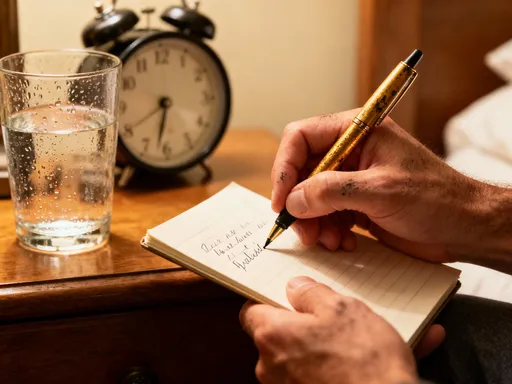
That curiosity led me to start tracking how I felt before and after each hobby session. I began with simple notes in a journal—rating my mood on a scale of 1 to 10, noting energy levels, and recording sleep quality. I didn’t aim for perfection; I just wanted to see if there was a consistent relationship. What emerged over several weeks was a clear trend: days with hobby engagement almost always ended with better rest, improved focus, and fewer moments of irritability. Even brief 10-minute sessions had a measurable effect.
The most surprising insight was not about dramatic transformations, but about consistency. I didn’t need to spend hours painting or master a complex song to feel a difference. What mattered was regularity—showing up, even in small ways. On days when I skipped my usual routine, I often felt more mentally scattered. This wasn’t about discipline; it was about noticing how my body and mind responded to moments of creative engagement. Tracking didn’t turn my hobbies into chores—it deepened my appreciation for them, transforming them from passive pastimes into intentional acts of self-care.
What to Track (Without Obsessing)
Tracking doesn’t require complex tools or rigid data collection. The goal is not to turn your hobby into a performance metric, but to cultivate awareness. Simple, low-effort observations can reveal meaningful patterns over time. One effective method is to note four key aspects: duration of engagement, emotional state before and after, sleep quality, and physical comfort. For example, after an hour of gardening, you might jot down: “Started feeling anxious (6/10), ended feeling calm (3/10), slept well, hands slightly sore.” Over time, such entries can highlight trends without demanding constant attention.
A journal—paper or digital—works well for this. Some people prefer using basic apps with mood-tracking features, which allow quick ratings and short notes. The key is simplicity. If tracking begins to feel like a burden, it defeats the purpose. The act should feel light, almost automatic, like jotting down a grocery list. Even a weekly review—looking back at a few entries—can provide valuable insight. Did you feel more energized after baking? Did crocheting help you unwind before bed? These observations, when collected gently, can guide choices without pressure.
There are also subtle signs that a hobby is supporting your well-being. One of the most reliable is the experience of “flow”—a state of deep absorption where time seems to disappear. Psychologist Mihaly Csikszentmihalyi identified flow as a powerful contributor to happiness and mental recovery. When you look up from knitting and realize an hour has passed without noticing, that’s a strong indicator of restorative engagement. Other signs include improved focus in daily tasks, a greater sense of patience, or a noticeable drop in resting heart rate over time—especially if you use a wearable device that tracks such metrics.
Choosing Hobbies That Support Wellness
Not all hobbies have the same impact, and that’s okay. The goal isn’t to adopt a specific activity, but to find one that feels accessible, enjoyable, and sustainable. The most wellness-supportive hobbies tend to share certain qualities: they involve sensory engagement, require moderate focus, and carry little pressure for performance. Activities that engage the hands—like pottery, sewing, or woodworking—can be especially grounding, as tactile input helps regulate the nervous system. Rhythmic movements, such as kneading bread, rocking in a chair while knitting, or strumming a guitar, can have a calming, almost meditative effect.
Flow is more likely to occur when the challenge level matches your skill—neither too easy nor too hard. A beginner might find flow in following a simple recipe, while an experienced gardener might experience it while pruning a complex rose bush. The key is to approach the activity without judgment. If you’re constantly evaluating your progress or comparing yourself to others, the mental benefits diminish. Instead, focus on the process: the feel of the clay, the smell of fresh soil, the sound of the melody taking shape.
It’s also helpful to experiment without commitment. Try a new craft for a week, revisit an old interest, or modify an existing hobby to make it more enjoyable. If painting feels overwhelming, switch to coloring books. If running feels like a chore, try walking in nature while listening to birdsong. The aim is not mastery, but connection—with yourself, with the present moment, and with a sense of ease. Over time, the hobbies that consistently leave you feeling restored are the ones worth keeping.
When to Talk to a Professional
While hobbies can support well-being, they are not a substitute for professional medical care. Self-tracking should never be used to diagnose or treat health conditions. If you notice persistent symptoms—such as unrelenting fatigue, prolonged low mood, difficulty concentrating, or physical discomfort that doesn’t improve—these may indicate underlying issues that require expert evaluation. A hobby might help manage stress, but it cannot address clinical depression, chronic pain, or hormonal imbalances on its own.
However, the insights gained from hobby tracking can be valuable in conversations with healthcare providers. Sharing observations—such as “I’ve noticed I feel calmer after playing piano, but my energy hasn’t improved overall”—can help doctors understand your daily patterns and emotional landscape. This kind of information complements clinical assessments, offering a more complete picture of your health. Think of it as bringing real-life context to a medical discussion, rather than replacing it.
Additionally, if a hobby begins to cause stress—because of high expectations, social pressure, or physical strain—it may no longer be serving its purpose. A knitting circle that once felt joyful should not become a source of anxiety over unfinished projects or comparisons with others. In such cases, reevaluating or adjusting the activity is wise. Wellness is not about adding more to your plate, but about finding balance and listening to your body’s signals with compassion.
Building a Sustainable Habit Loop
Integrating hobby tracking into daily life doesn’t require major changes. The most effective approach is to start small and build gradually. Choose one hobby you already enjoy and commit to engaging with it for just 10 to 15 minutes a day. Pair it with an existing routine—sketch while your coffee brews, strum your guitar after dinner, water your plants while listening to the morning news. These micro-moments accumulate, creating a rhythm that supports both consistency and awareness.
Over time, this small investment can yield meaningful feedback. You may notice that certain activities work better at different times of day—gardening in the morning boosts energy, while reading poetry at night promotes relaxation. Celebrate consistency, not perfection. Missing a day is not failure; it’s part of a realistic, sustainable practice. The goal is not to create another obligation, but to deepen your relationship with activities that already bring joy.
Ultimately, reframing hobbies as personal health allies transforms how we think about self-care. They are not distractions from productivity, but essential contributors to resilience. They offer a quiet, accessible way to monitor well-being, grounded in enjoyment rather than effort. By paying gentle attention to how we feel before, during, and after these moments of engagement, we gain insight into our inner world—without pressure, without cost, and without leaving the comfort of home. In a world that often demands constant output, hobbies remind us that healing can be soft, simple, and deeply human.